TLT Explains
FCC Chairman Brendan Carr Warns Broadcasters on Public Interest Obligations and License Risks
What's happening
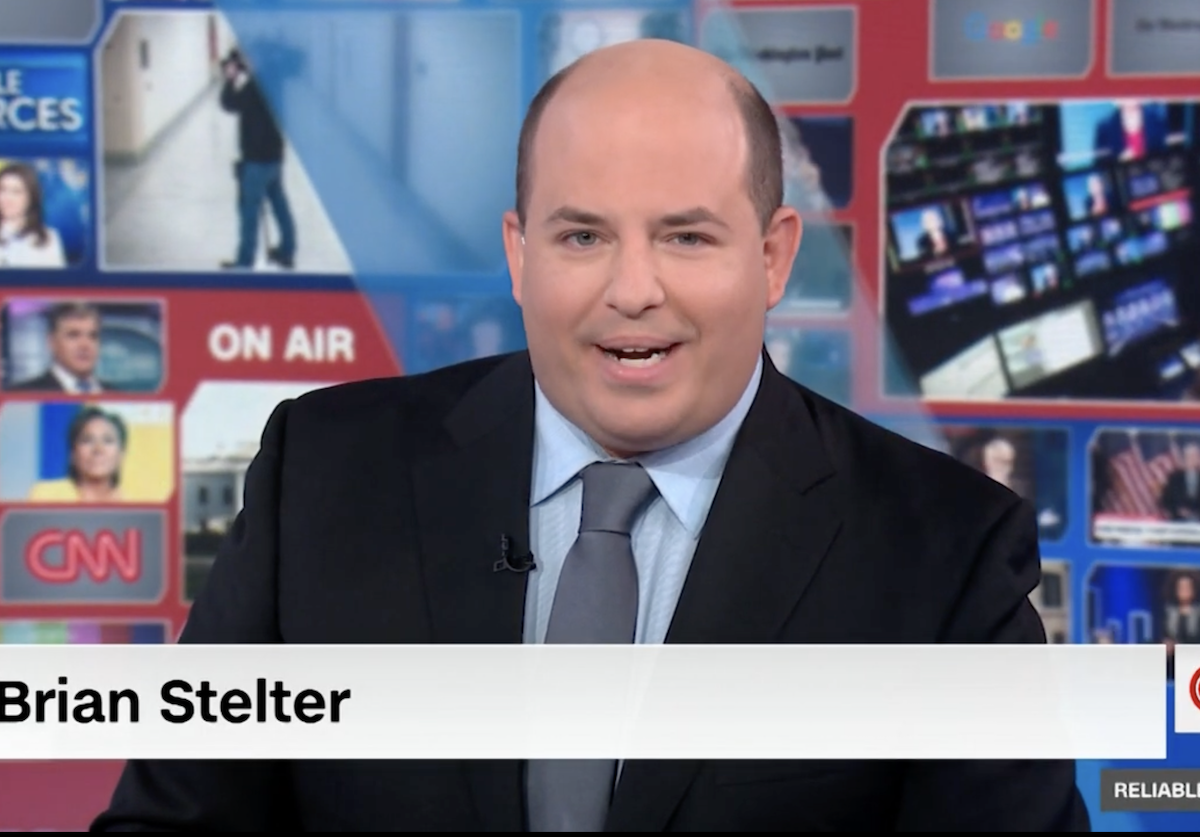
Federal Communications Commission Chairman Brendan Carr recently issued a stern reminder to television broadcasters about their legal obligation to operate in the public interest. He underscored that failure to meet this responsibility could lead to the revocation of their broadcasting licenses. This statement has sparked significant debate within media circles, drawing sharp criticism from prominent figures such as CNN’s Brian Stelter, who characterized Carr’s remarks as a threat to press freedom. The controversy highlights the ongoing tension between government oversight and the independence of the media.
The obligation for broadcasters to serve the public interest is a longstanding principle in U.S. media regulation. Since the airwaves are considered a public resource, broadcasters are granted licenses under the condition that they provide programming that benefits their communities. This includes delivering accurate and reliable information, especially during critical moments such as elections or public emergencies. Carr’s recent comments reiterate this principle and emphasize the FCC’s role in enforcing it, particularly amid concerns about misinformation and declining public trust in news media.
Chairman Carr’s warning comes amid heightened scrutiny of media coverage related to U.S. involvement in international conflicts, especially in the Middle East. Complaints from political figures, including former President Trump, have accused certain broadcasters of biased or negative reporting. Carr stated plainly, “Broadcasters must operate in the public interest, and they will lose their licenses if they do not.” His remarks suggest a push for greater accountability and transparency in how broadcasters fulfill their duties to the public.
Broadcasters must operate in the public interest, and they will lose their licenses if they do not.
The reaction from the media community has been mixed and at times sharply critical. Brian Stelter and others have expressed concern that the FCC’s approach could amount to government overreach, potentially chilling journalistic independence. Stelter described the chairman’s comments as "authoritarian" and warned that such oversight might pressure journalists to conform to government expectations rather than pursue independent reporting. This debate touches on the core tension between ensuring media accountability and protecting First Amendment rights.
What's at stake
Supporters of Carr’s position argue that broadcasters have a unique responsibility due to their use of publicly owned airwaves. They contend that maintaining the integrity of news reporting is essential to restoring public trust, which has eroded amid accusations of fake news and misinformation. From this perspective, enforcing public interest obligations is not about censorship but about ensuring that broadcasters provide accurate and trustworthy information to their audiences.
The stakes in this debate are significant. Broadcasters face the risk of losing their licenses if found to be in violation of public interest standards, which could reshape the media landscape. For the public, the outcome affects the reliability of information they receive from traditional news sources. For journalists, the issue raises questions about editorial freedom and the potential impact of regulatory pressures on news coverage. The broader implications touch on democratic principles, including the balance between free speech and accountability.
As the discussion unfolds, it remains uncertain how broadcasters will respond to Carr’s warning and whether the FCC will pursue stricter enforcement or new regulatory measures. Critics have yet to present a unified alternative approach, leaving open questions about the future of media regulation. The debate also highlights challenges regulators face in overseeing a rapidly evolving media environment where digital platforms and social media play an increasing role in information dissemination.
Looking ahead, key developments to watch include any formal actions by the FCC to enforce public interest obligations, potential legal challenges from broadcasters, and ongoing public discourse about the role of government in media oversight. The coming months may reveal whether Carr’s stance leads to tangible regulatory changes or prompts broader discussions about how to balance media freedom with the need for accountability in an era of widespread misinformation.
Why it matters
Oversight of broadcasters could pressure journalists to align with government expectations, risking a chilling effect on independent reporting. Broadcasters are required to use public airwaves responsibly by providing accurate and reliable information to their audiences. The debate will influence how broadcasters respond to regulatory warnings and whether new rules emerge to enforce public interest standards.
Critics have not formed a unified response, leaving uncertainty about the future direction of media regulation and journalistic freedom. Ensuring broadcasters serve the public interest is seen as essential to restoring trust in media amid concerns about misinformation.
Key facts & context
FCC Chairman Brendan Carr recently reminded television broadcasters of their obligation to operate in the public interest. He emphasized that failure to meet this obligation could result in the loss of their broadcasting licenses. The public interest standard requires broadcasters to provide accurate and responsible programming as a condition of using public airwaves.
Carr’s comments were partly in response to complaints about perceived biased media coverage of U.S. involvement in international conflicts. Brian Stelter and other media figures criticized Carr’s remarks as a threat to press freedom and potential government overreach. Supporters argue that enforcing public interest obligations is necessary to combat misinformation and restore public trust in media.
The FCC’s role includes regulating broadcasters to ensure they meet legal and ethical standards tied to their licenses. The debate highlights the tension between media accountability and First Amendment protections for broadcasters. Carr stated, “Broadcasters must operate in the public interest, and they will lose their licenses if they do not.”
Broadcasters must operate in the public interest, and they will lose their licenses if they do not.
The controversy has sparked broader discussions about the balance between government regulation and journalistic independence.
Timeline & key developments
2026-03-17: FCC Chairman Warns Broadcasters on Public Interest Obligations. Additional reporting on this topic is available in our broader archive and will continue to shape this timeline as new developments emerge.
Primary sources
Further reading & references
- (Additional background links will appear here as we cover this topic.)
Related posts
- Local Stations Challenge Hollywood With Suspension of Kimmel's Show
- FCC Chairman Brendan Carr Critiques Jimmy Kimmel's Comments, ABC Pulls Show
- ABC Suspends Jimmy Kimmel's Show Amid Free Speech Debate
- Sinclair Still Won't Air Kimmel Until He Apologizes To Kirk's Family
- Smug Jimmy Kimmel Returns To Late Night More Insufferable
- David French Criticizes Response to Jimmy Kimmel's Show Suspension