TLT Explains
Brazil Joins Florida Lawsuit Over Supreme Court Justice’s Censorship Orders Against Rumble
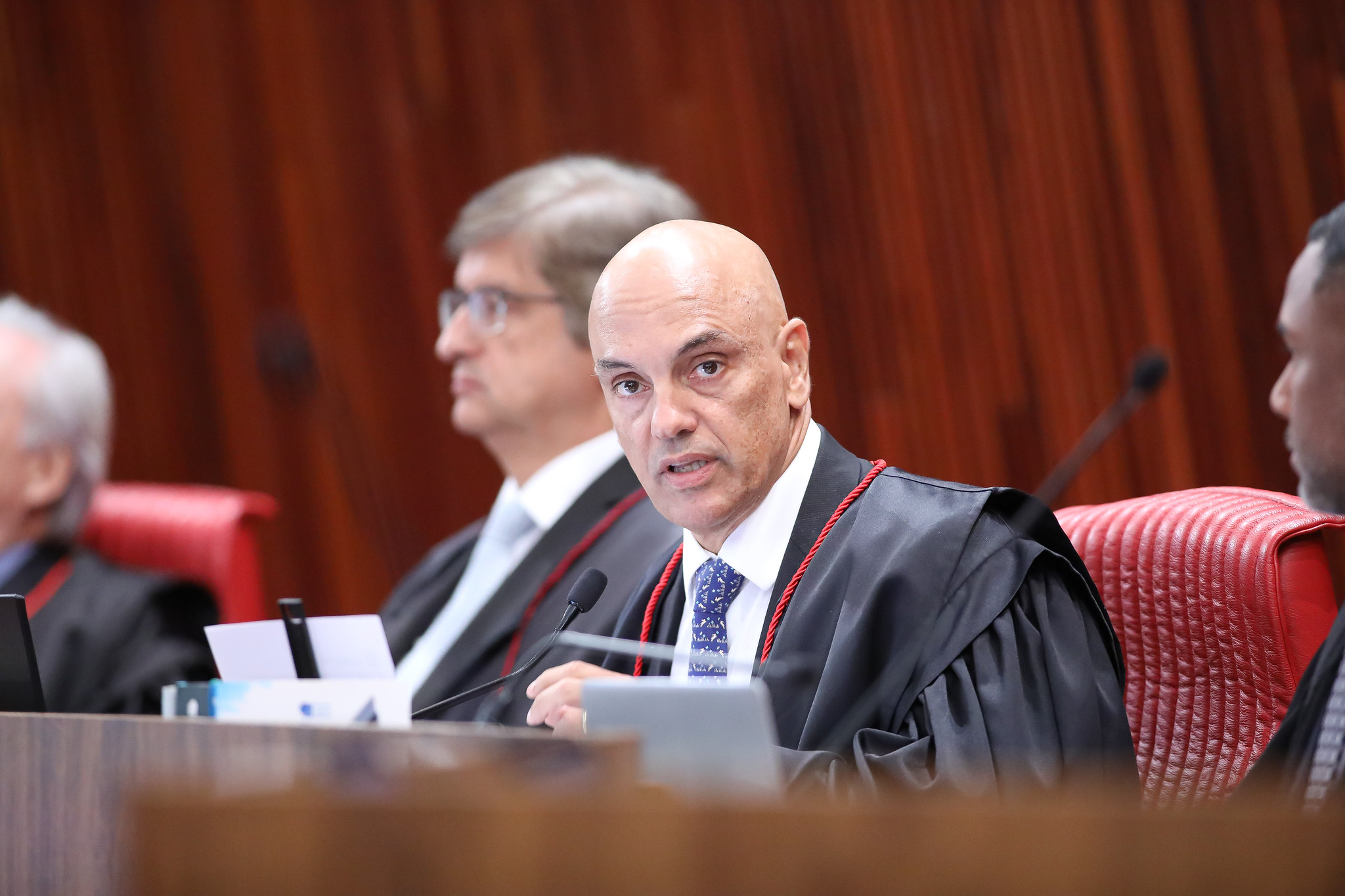
What's happening
A federal judge in Florida recently approved Brazil’s request to intervene in a lawsuit brought by Rumble, a video-sharing platform, against Alexandre de Moraes, a justice of Brazil’s Supreme Federal Tribunal. The lawsuit challenges Moraes’ orders that require Rumble to block accounts of political opponents, arguing these directives violate U.S. law and infringe upon free speech rights. Brazil’s intervention marks a significant development, as it asserts that the case effectively targets the Brazilian government itself, given Moraes acted in his official capacity.
The dispute centers on orders issued by Moraes that compel Rumble to restrict access to accounts linked to Brazilian conservative figures, including one commentator who has sought political asylum in the United States. Moraes has threatened Rumble with daily fines of approximately $9,000 for noncompliance and has demanded user information, raising concerns about privacy and censorship. Rumble contends that complying with these orders would violate U.S. federal laws protecting free expression and user privacy, placing the platform in a challenging legal position.
Rumble filed the lawsuit in February 2025 in a Florida federal court seeking a declaration that Moraes’ orders are unenforceable in the United States. The platform, which also hosts content for Trump Media, claims the censorship directives have harmed its business operations and compromised its commitment to free speech. After difficulties serving Moraes with legal documents, the court allowed service via email, prompting Brazil to file a Motion to Intervene. The court granted this motion but has yet to rule on Brazil’s separate request to dismiss the case.
This legal battle highlights broader tensions regarding the reach of foreign judicial authority over U.S.-based technology companies. It raises complex questions about jurisdiction, national sovereignty, and the limits of international legal orders affecting digital platforms. The case also underscores the ongoing global debate over balancing efforts to combat misinformation and protect democratic institutions against safeguarding free expression and privacy rights online.
What's at stake
The controversy is set against the backdrop of Brazil’s polarized political environment. President Luiz Inácio "Lula" da Silva’s left-wing administration has faced criticism for its approach to free speech, with Moraes’ actions viewed by some as part of a wider campaign to silence political opponents. Supporters argue these measures are necessary to prevent misinformation and uphold democracy, while critics see them as disproportionate censorship targeting dissenting voices. The lawsuit has drawn international attention, including from the U.S. State Department, which has previously sanctioned Moraes for censorship-related actions.
The involvement of Rumble, a platform associated with former President Donald Trump, adds a layer of political complexity to the case. It reflects the intersection of technology, politics, and law, as digital platforms become battlegrounds for ideological conflicts. The lawsuit’s outcome could influence how foreign judicial orders are treated by U.S. courts and set precedents for how platforms navigate conflicting legal demands from different countries.
For users and content creators on Rumble, the stakes are significant. Compliance with Moraes’ orders could mean restrictions on political expression and potential exposure of user data, while defiance risks heavy fines and legal consequences. The case also has implications for other tech companies facing similar demands from foreign governments, highlighting the challenges of operating in a global digital environment with divergent legal standards.
Looking ahead, the court’s decisions on Brazil’s Motion to Dismiss and the broader merits of the case will be closely watched. The legal proceedings are likely to continue for months, with potential appeals and further motions. The case may also influence diplomatic relations between the United States and Brazil, especially as Brazil approaches a contentious election cycle that could be affected by the broader debate over free speech and censorship.
Observers should monitor how the court balances jurisdictional issues with fundamental free speech protections and privacy rights. The outcome could shape future legal frameworks governing international orders directed at U.S.-based platforms and set important precedents for digital expression and judicial cooperation in the age of social media.
Why it matters
Brazil’s intervention signals the government’s direct involvement in defending its judicial authority over foreign-based platforms. The lawsuit raises critical questions about the limits of foreign court orders on U.S. companies and their impact on free speech. Rumble’s challenge highlights tensions between protecting user privacy and complying with international censorship demands.
The case reflects broader political conflicts within Brazil and the global struggle over misinformation and democratic safeguards. Decisions in this lawsuit could set precedents for how U.S. courts handle foreign judicial orders affecting digital platforms. The involvement of a platform linked to Trump Media adds political significance to the legal and diplomatic dimensions.
Outcomes may influence future interactions between technology companies and governments seeking control over online content.
Key facts & context
A federal judge in Florida granted Brazil’s request to intervene in Rumble’s lawsuit against Alexandre de Moraes. Rumble is challenging Moraes’ orders requiring it to block accounts of political opponents in Brazil. Moraes threatened Rumble with fines of about $9,000 per day for noncompliance and demanded user information.
One blocked account belongs to a Brazilian conservative commentator who has sought political asylum in the U.S. Rumble argues that complying with Moraes’ orders violates U.S. law and infringes on free speech rights. The platform also hosts video content for Trump Media, linking the case to broader political debates.
Brazil’s Motion to Intervene was granted, but its Motion to Dismiss remains pending in court. The U.S. State Department has sanctioned Moraes for censorship-related actions in the past. The lawsuit was filed in February 2025 in a Florida federal court.
Difficulties serving Moraes led the court to allow service via email. The case raises issues of jurisdiction, national sovereignty, and the enforcement of foreign judicial orders on U.S. companies. Brazil’s current government under President Lula da Silva faces criticism over free speech and censorship concerns.
Timeline & key developments
2026-06-25: Brazil Intervenes in Rumble Lawsuit Against Censorship Orders. Additional reporting on this topic is available in our broader archive and will continue to shape this timeline as new developments emerge.
Primary sources
Further reading & references
- (Additional background links will appear here as we cover this topic.)
Related posts
- Concerns Rise Over Political Censorship Tactics in the U.S. and U.K.
- Concerns Grow Over Political Violence and Censorship on the Left
- Democrats Are Lying About Protecting Kimmel Over 'Free Speech'
- ABC Pulls Jimmy Kimmel Off Air Amid Controversy Over Comments
- Farage Warns U.K. Censorship Could Affect Americans
- Senate Hearing Addresses Allegations of Censorship by Federal Government