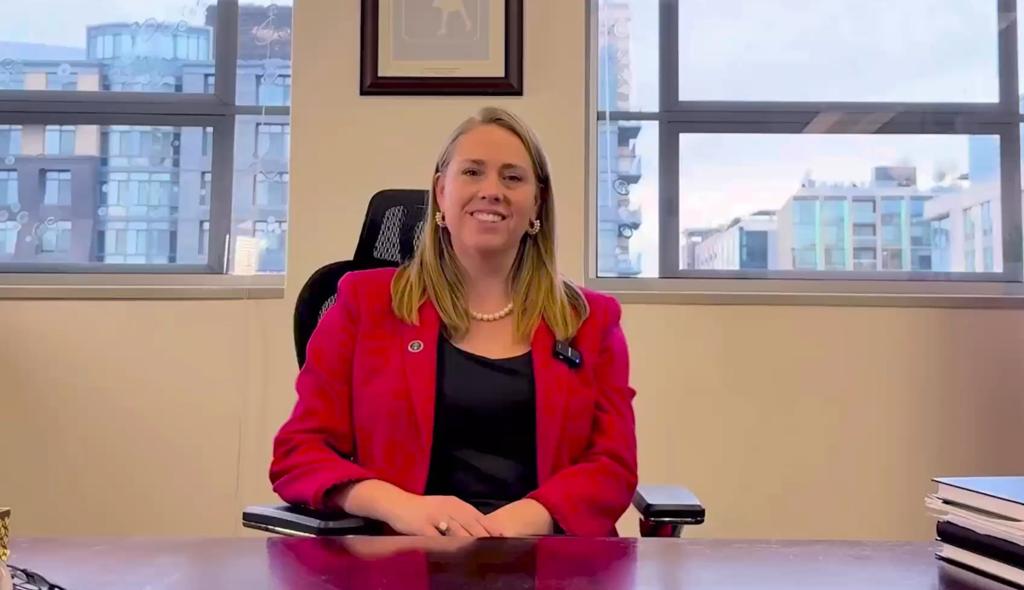
The Equal Employment Opportunity Commission (EEOC) has made a direct appeal to white males who believe they have faced workplace discrimination, urging them to file claims under federal civil rights laws. In a video message released on Wednesday, EEOC Chair Andrea Lucas stated, "Are you a white male who has experienced discrimination at work based on your race or sex? You may have a claim to recover money under federal civil rights laws." This initiative underscores a growing tension surrounding diversity, equity, and inclusion (DEI) policies, which some critics argue disproportionately disadvantage white males in hiring and promotion decisions.
Lucas emphasized that complaints regarding discrimination are often time-sensitive and encouraged individuals to utilize the resources available on the EEOC website to understand their rights and the complaint process. The EEOC's announcement comes amid ongoing debates about the implications of DEI initiatives, which have been criticized for potentially leading to reverse discrimination. Lucas noted that while DEI is not explicitly defined in law, practices that discriminate based on race or sex may violate Title VII of the Civil Rights Act. She stated, "Discrimination against white males is unlawful race and sex discrimination. There’s no ‘permissible’ or ‘good’ form of discrimination."
Context of DEI Policies
DEI initiatives have been increasingly adopted by corporations and institutions over the past decade, often as a response to calls for greater representation of marginalized groups. Critics, including Assistant Attorney General for Civil Rights Harmeet Dhillon, argue that these policies can lead to discriminatory practices against individuals based on their race or sex. Dhillon remarked, "If a PRIVATE employer discriminates on the basis of race/sex, [Andrea Lucas’s] outfit has primary jurisdiction."
In July, David Decosimo, an associate professor at the University of North Carolina at Chapel Hill, expressed concerns about the impact of DEI on hiring practices, stating, "I have seen too many truly outstanding white males in my field denied opportunity after opportunity until they give up." He described a perceived unwritten rule among university leadership that necessitates hiring minority candidates alongside white males, suggesting that this practice undermines merit-based hiring and creates an environment where qualifications may be overlooked in favor of meeting diversity quotas.
Reactions and Implications
Lucas's appeal has sparked varied reactions, with some praising the EEOC's commitment to addressing discrimination against all groups, while others remain skeptical about the effectiveness of such initiatives. Vice President J.D. Vance commented on the broader implications of DEI, stating, "A lot of people think ‘DEI’ is lame diversity seminars or racial slogans at NFL games. In reality, it was a deliberate program of discrimination primarily against white men."
Supporters of DEI argue that these policies are essential for correcting historical inequalities and promoting a more inclusive workforce. They contend that without such initiatives, systemic barriers that have historically marginalized certain groups would persist, further entrenching inequality in the workplace. However, critics contend that the focus on diversity can lead to a form of discrimination that undermines the principles of equal opportunity, suggesting that merit should be the primary criterion for hiring and promotion.
The EEOC's proactive stance may signal a shift in how workplace discrimination claims are addressed, particularly as it pertains to white males. If the agency successfully advocates for favorable court rulings in these cases, it could reshape the landscape of employment practices across various sectors, potentially leading to a reevaluation of DEI policies in many organizations.
As the conversation around DEI continues, the EEOC's outreach to white males may influence future discussions on workplace equality and the balance between diversity initiatives and merit-based hiring. The Trump administration has previously sought to dismantle aspects of the DEI framework, arguing that it fosters division rather than unity in the workplace. The ongoing dialogue surrounding these policies reflects broader societal debates about race, gender, and equality in America, highlighting the complexities and challenges of achieving true equity in the workforce.