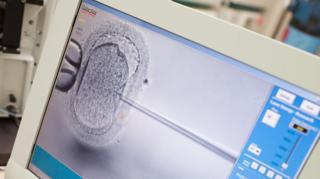
A recent survey conducted by the Ethics and Public Policy Center (EPPC) and YouGov indicates that 80% of Americans aged 18 to 45 express concern regarding the unregulated genetic screening of embryos. The November 2025 Future of the Family Survey, which included 1,100 respondents, highlights significant apprehension about the ethical implications of selecting embryos based on traits deemed desirable.
Women showed slightly higher levels of concern compared to men, with 83% of women aged 46 and older particularly worried about allowing parents to choose characteristics such as eye color and intelligence. The survey results suggest a growing unease with the commercialization of reproductive technology.
Fertility specialists often advocate for genetic testing as a standard practice in in vitro fertilization (IVF), despite research indicating that common screening methods, such as preimplantation genetic testing for aneuploidy (PGT-A), do not necessarily improve the chances of a healthy pregnancy. "This technology is still unproven," the EPPC brief notes, emphasizing the potential risks associated with its widespread use.
The survey also reveals a divide among voters regarding embryo screening practices. While a majority of supporters of former President Donald Trump believe that embryo screening for traits like sex selection and physical attributes should be banned, opinions vary when it comes to screening for medical conditions. Only 21% of Trump voters expressed enthusiasm for such screenings, compared to 45% of voters who supported Vice President Kamala Harris in the 2024 election.
The EPPC warns that as genetic testing becomes more normalized, the number of individuals willing to utilize these technologies may increase. "This would radically change the nature of parenthood, turning would-be parents from recipients of the gift of a new child to consumers looking for a product made to order," the brief states.
Despite the ethical concerns surrounding embryo screening, President Trump has pledged to enhance access to reproductive technologies, aiming to assist couples in starting families. However, the survey indicates that many of his supporters remain skeptical about the implications of such advancements.
As the debate over embryo screening continues, the implications for future reproductive practices and societal norms remain uncertain. The findings of this survey underscore the need for ongoing discussions about the ethical dimensions of reproductive technology and its impact on family dynamics.