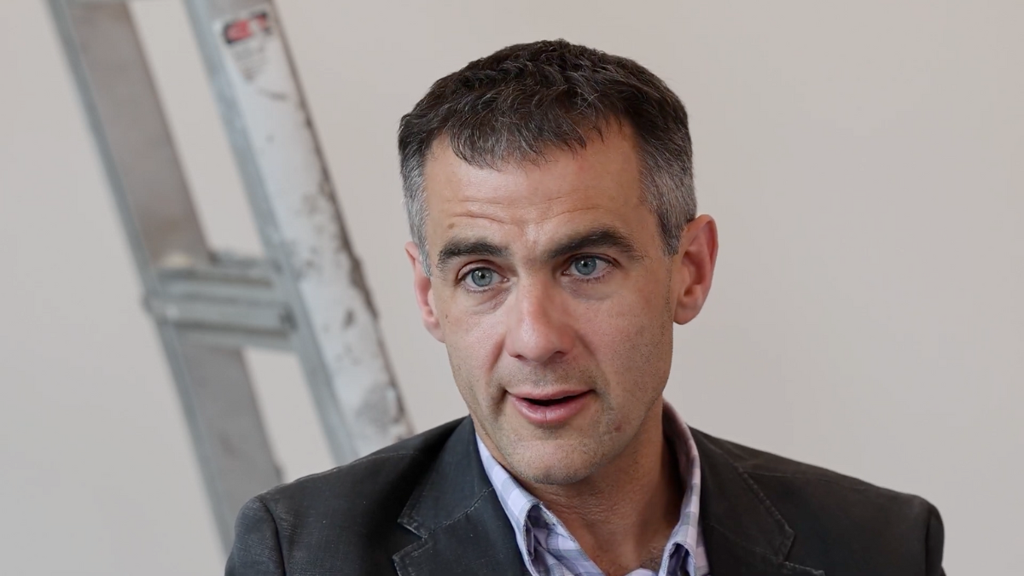
Northern Michigan University (NMU) has selected a different candidate for its presidency, bypassing Scott Beaulier, a prominent economist and former dean at North Dakota State University, following a campaign of criticism against him. Beaulier was a top contender for the position, but his candidacy faced backlash from critics who misrepresented his academic work on behavioral economics.
Beaulier co-authored a paper in 2002 titled "Behavioral Economics and Perverse Effects of the Welfare State," which discusses how welfare policies can sometimes exacerbate poverty instead of alleviating it. Critics, including NMU graduate student Andrew Plocher, accused Beaulier of holding negative views about welfare recipients, claiming he characterized them as "behaviorally and cognitively deficient."
Plocher's letter to the NMU Board of Trustees suggested that Beaulier's ideas could harm first-generation students and low-income communities. However, these claims have been challenged as misrepresentations of Beaulier's work.
In response to the criticism, Beaulier's supporters argue that his research emphasizes the importance of understanding the psychological impacts of welfare policies. They contend that his conclusions advocate for a more nuanced approach to welfare, rather than a blanket dismissal of its effectiveness.
Beaulier, who grew up in Iron Mountain, Michigan, and was the first in his family to attend college, has a history of supporting first-generation students and low-income families. He has served as a business dean and professor of economics at both North Dakota State University and the University of Wyoming, institutions that serve similar demographics to NMU.
Despite his qualifications and experience, Beaulier was not selected for the presidency, raising concerns about the impact of the smear campaign on the selection process. Critics of the decision argue that it reflects a broader trend in higher education, where ideological battles can overshadow merit-based evaluations.
The landscape of higher education is shifting, with declining enrollment prompting many institutions to reassess their strategies. In contrast, Florida's public universities have seen a surge in enrollment, attributed to policies that prioritize academic excellence over diversity, equity, and inclusion initiatives.
Brian Lamb, chair of the board of governors for Florida's universities, stated, "Florida’s universities continue to prove that prioritizing academic achievement and faculty excellence leads to incredible outcomes." This approach has resulted in improved rankings for Florida's public universities, with four schools now in the top 50 for public universities according to U.S. News & World Report.
As NMU navigates its presidential selection process, the controversy surrounding Beaulier's candidacy highlights the challenges faced by institutions in balancing academic rigor with the pressures of ideological scrutiny. The decision to overlook a qualified candidate raises questions about the future of leadership in higher education and the criteria used to evaluate potential leaders.