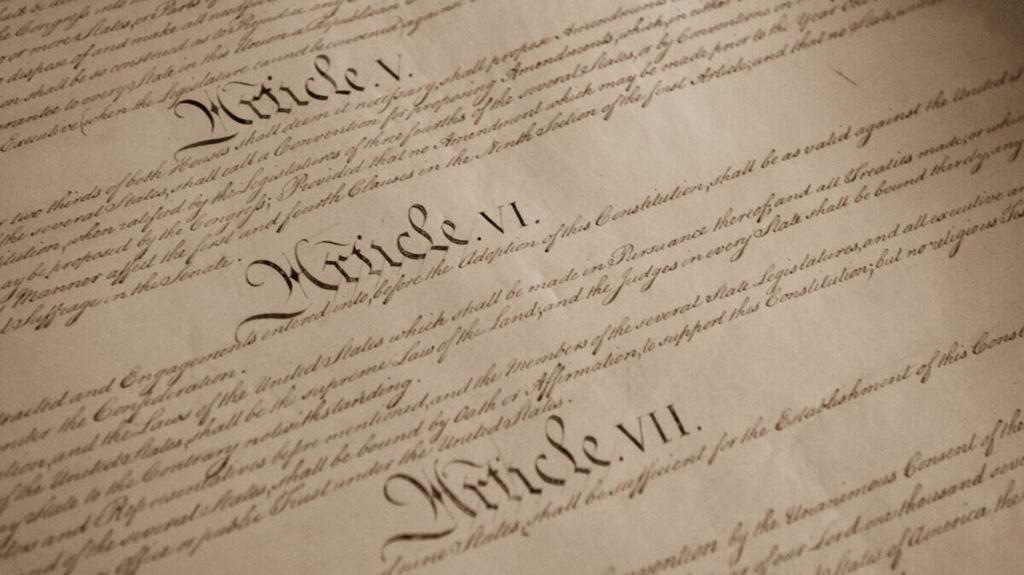
A recent discussion on Ross Douthat’s podcast featured Osita Nwanevu, a contributing editor at The New Republic, who argued for significant changes to the U.S. Constitution. Nwanevu's proposals include abolishing the Senate, ending the Electoral College, and expanding the Supreme Court, which he claims are necessary to align American governance with democratic principles.
Nwanevu's book, "The Right of the People: Democracy and the Case for a New American Founding," (Guides Loc) critiques the current Senate structure, arguing that it disproportionately favors smaller states like Wyoming over larger states like California. He contends that this imbalance undermines democratic representation. However, critics point out that the House of Representatives, which has a larger delegation from California, serves to balance this representation.
The discussion highlights a broader leftist sentiment that the existing constitutional framework is inadequate for achieving their political goals. Nwanevu suggests creating new states, such as Puerto Rico and Washington, D.C., to increase representation in the Senate and proposes a national popular vote for president, which would diminish the influence of rural states in elections.
Nwanevu's assertion that the will of the people is a mirage raises questions about the nature of democracy. He argues that true democracy requires a unified majority on all issues, a notion that critics argue is impractical and overlooks the complexities of public opinion.
The proposals put forth by Nwanevu echo long-standing leftist calls for constitutional changes. Critics argue that these changes would disproportionately empower urban areas at the expense of rural voters, potentially leading to a more polarized political landscape.
In discussing the implications of these proposals, Nwanevu emphasizes the need for a new American founding that links democracy with economic empowerment. This perspective suggests a shift toward a more centralized government role in addressing social and economic issues.
The conversation has sparked renewed debate about the future of American governance and the role of the Constitution. Some argue that the focus should be on addressing current political challenges through legislative action, while others advocate for a reevaluation of the constitutional framework itself.
As the political landscape continues to evolve, the calls for constitutional reform reflect deeper ideological divides within the country. The discussion surrounding Nwanevu's ideas underscores the ongoing struggle over the interpretation and application of democratic principles in the United States.