TLT Explains
Senator Roger Marshall to Introduce Bill Banning Transgender Medical Procedures for Minors
What's happening
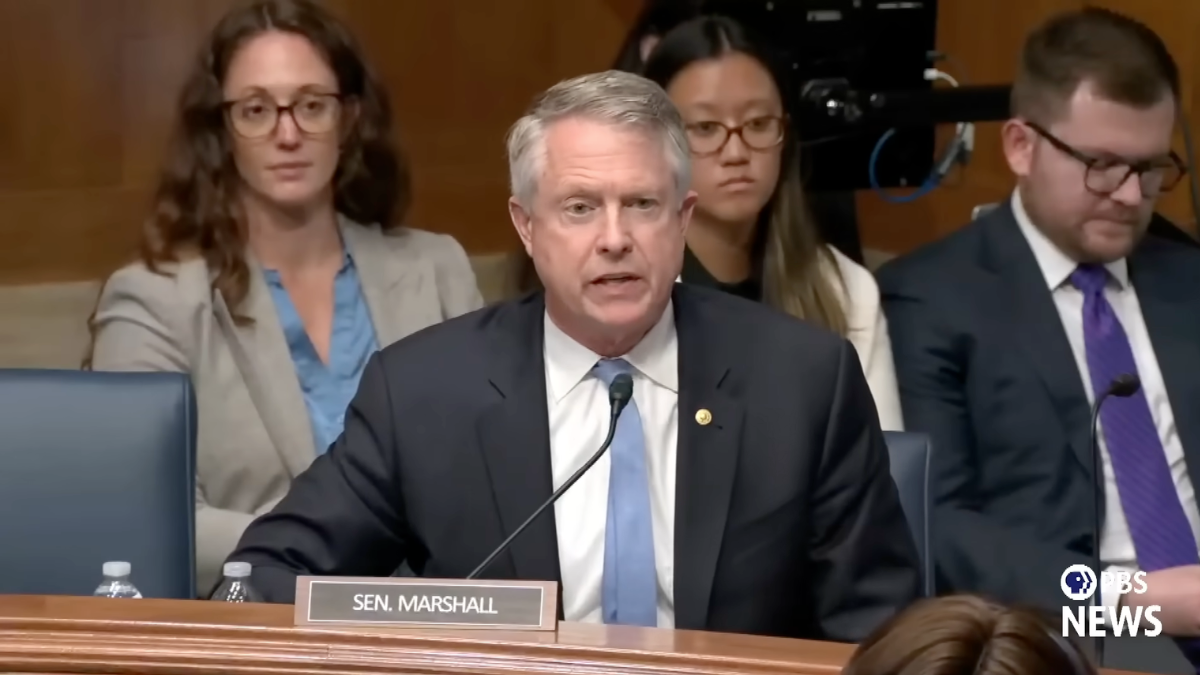
Republican Senator Roger Marshall of Kansas is set to introduce new legislation next week that would prohibit all transgender medical procedures for individuals under the age of 18. The proposed Safeguarding the Overall Protection of Minors (STOP) Act aims to ban interventions such as puberty blockers, cross-sex hormone treatments, mastectomies, and genital surgeries for minors. Healthcare providers who violate the law could face civil penalties of up to $100,000. This bill reflects ongoing national debates about the appropriate medical care for transgender youth and the role of government in regulating such treatments.
The STOP Act is designed to address concerns raised by its proponents about the long-term effects and potential harms of gender transition procedures on children. Supporters argue that these medical interventions can be irreversible and may cause lasting physical and psychological damage. Senator Marshall, an obstetrician with over 20 years of experience, has emphasized his belief that these procedures are not legitimate medical treatments but rather forms of child abuse. He has stated that the bill sends a strong message that harming children through these procedures will have serious consequences.
Opponents of the legislation argue that banning these procedures infringes on parental rights and the autonomy of medical professionals. Many medical experts caution that restricting access to gender-affirming care could exacerbate mental health challenges faced by transgender youth, including increased risks of depression and suicide. They contend that decisions about such treatments should be made on a case-by-case basis between patients, families, and qualified healthcare providers rather than through broad legislative bans. Critics also warn that the bill could worsen stigma and discrimination against transgender individuals.
The STOP Act would not only prohibit the medical procedures but also establish a private right of action, allowing victims or their guardians to sue healthcare providers in federal court for damages. Additionally, the bill proposes creating a "Victims of Gender Transition Procedures Compensation Fund" within the U.S. Treasury, which would be financed by the penalties collected from violations. Supporters see these provisions as necessary to hold providers accountable and provide restitution to those harmed by such interventions.
What's at stake
The bill has drawn support from a range of conservative activists and organizations. For example, Eithan Haim, a conservative surgeon from Texas, praised the bill as a significant step toward protecting children from harm. He suggested that the legislation could be strengthened by empowering state Attorneys General to investigate billing practices at gender clinics to detect potential fraud. Other supporters include advocacy groups focused on parental rights and those who view gender transition procedures for minors as part of a broader cultural and political debate.
This legislation emerges amid a broader national conversation about transgender rights and healthcare access for minors. Several states have already enacted or proposed similar laws restricting gender-affirming care for youth, reflecting a sharp divide in public opinion and policy approaches. Supporters argue these laws are necessary to protect vulnerable children, while opponents warn they could lead to harmful outcomes for transgender youth and infringe on civil rights. The issue has become a focal point in political and cultural debates across the country.
Senator Marshall’s office has not yet provided detailed comments on how the bill will interact with existing state laws or its anticipated reception in Congress. Given the contentious nature of transgender healthcare policy, the STOP Act is expected to provoke significant debate among lawmakers, medical professionals, advocacy groups, and the public. The bill’s progress will likely be closely watched as part of the ongoing national discourse on the rights and protections of transgender minors.
Looking ahead, the introduction of the STOP Act marks an important moment in the evolving landscape of transgender healthcare legislation. Key developments to watch include how the bill fares in committee hearings, the responses from medical organizations, and potential legal challenges if it becomes law. The debate will also likely influence broader discussions about parental rights, medical ethics, and the role of government in regulating healthcare decisions for minors. The coming months could see intensified political and legal battles over these issues.
Why it matters
The STOP Act aims to prevent what supporters view as harmful and irreversible medical procedures on minors. It introduces significant civil penalties to hold healthcare providers accountable for violations. The bill reflects growing political efforts to regulate transgender healthcare for youth at the federal level.
Opponents warn the legislation could restrict access to necessary care and infringe on parental and medical decision-making. The legislation could set a precedent for similar laws and influence national debates on transgender rights.
Key facts & context
Senator Roger Marshall of Kansas plans to introduce the STOP Act next week. The bill would ban puberty blockers, cross-sex hormones, mastectomies, and genital surgeries for individuals under 18. Healthcare providers violating the law could face civil penalties up to $100,000.
The STOP Act would create a private right of action allowing victims or guardians to sue providers in federal court. A compensation fund for victims would be established within the U.S. Treasury, funded by collected penalties. Marshall is an obstetrician with over two decades of experience and has publicly criticized these procedures.
Supporters include conservative activists and medical professionals who view the procedures as harmful to children. Critics argue the bill could harm transgender youth by limiting access to gender-affirming care and increasing stigma. Similar legislation has been proposed or enacted in several states amid a national debate on transgender healthcare.
The bill’s introduction is part of a wider political and cultural discussion about transgender rights and medical ethics.
Timeline & key developments
2026-04-24: Senator Roger Marshall to Introduce Bill Banning Transgender Procedures for Minors. Additional reporting on this topic is available in our broader archive and will continue to shape this timeline as new developments emerge.
Primary sources
Further reading & references
- (Additional background links will appear here as we cover this topic.)
Related posts
- California Legislative Hearing Reveals Bipartisan Concerns Over Transgender Bills AB 1540 and AB 1876
- Scotland Rejects Assisted Suicide Bill as Alberta Moves to Tighten Restrictions
- Debate Over Transgender Medical Procedures for Minors Intensifies Amid Rising Detransition Rates
- Texas Legislature Passes Bathroom Bill Amid Minimal Corporate Backlash
- Illinois Governor Signs Assisted Suicide Bill into Law
- Coalition Could Apply Pressure To States Refusing To Protect Kids