TLT Explains
Senate Republicans Block $1.776 Billion Restitution Fund for Victims of Government Overreach
What's happening
Republican senators recently voted against advancing a $1.776 billion proposal known as the Anti-Weaponization Fund, which was intended to provide financial restitution to individuals who claim they were unfairly targeted by federal government actions. The decision came just as many lawmakers were preparing to leave Washington for a recess, drawing criticism from advocates who argue that the move reflects a lack of accountability for government overreach. The fund was designed to address grievances from a variety of groups, including pro-life advocates and participants in the January 6 protests, who allege they were singled out by the Biden administration for their political beliefs and activities.
The proposal aimed to establish a systematic process for evaluating claims on a case-by-case basis, ensuring that each individual’s situation would be reviewed on its merits. This approach was supported by figures such as Vice President J.D. Vance, who emphasized the importance of a structured mechanism to address these grievances. Acting Attorney General Todd Blanche also voiced support, stating that government machinery should never be weaponized against any American and expressing the Department of Justice’s commitment to rectifying past wrongs while preventing future abuses. The fund was part of a broader effort to restore trust in government institutions by acknowledging and compensating those who believe they were unjustly targeted.
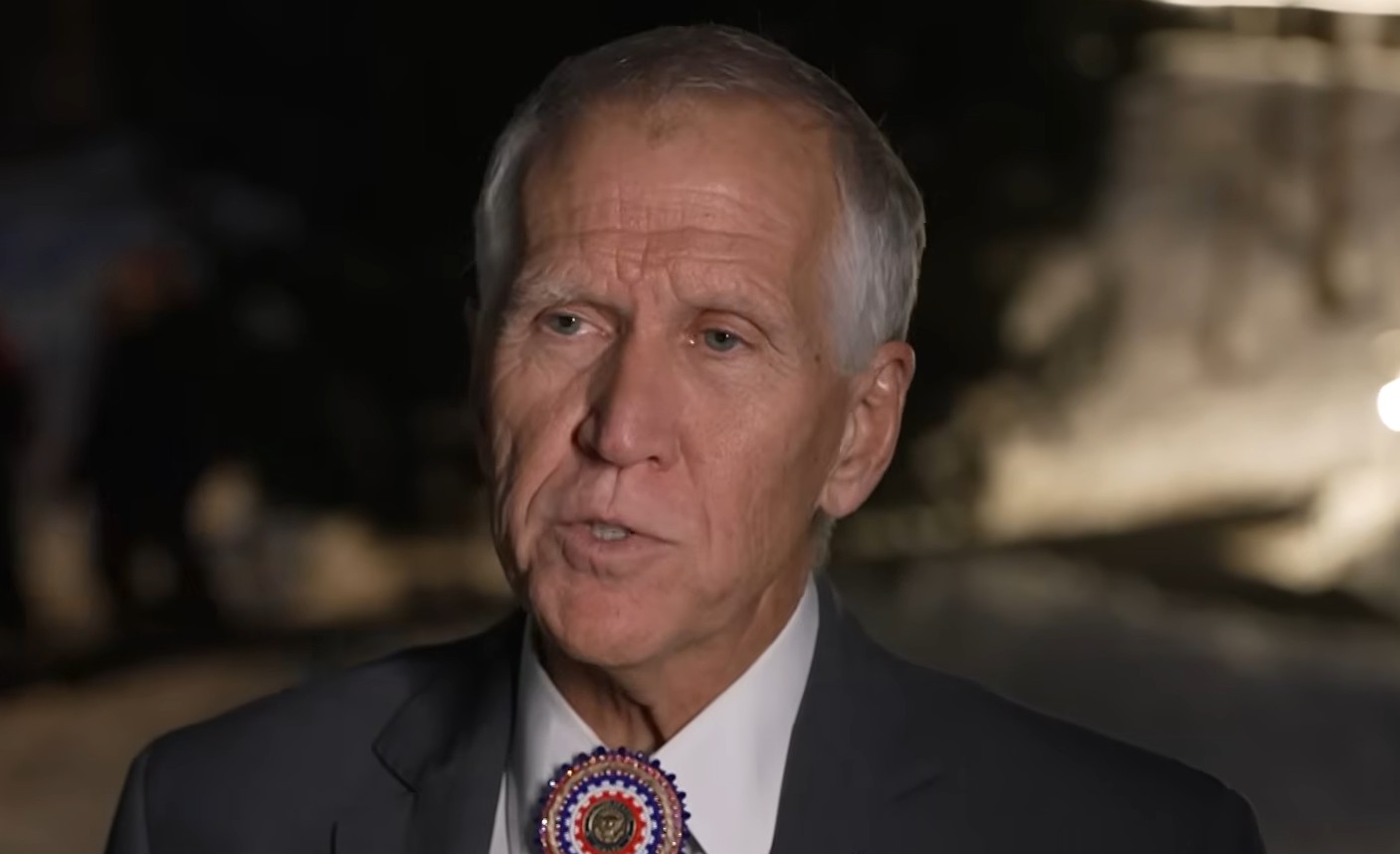
Despite these intentions, the fund faced strong opposition from several Republican senators. Outgoing Senator Thom Tillis of North Carolina criticized the proposal, arguing that using taxpayer money to compensate individuals he vehemently disagreed with amounted to tyranny. Senate Minority Leader Mitch McConnell also condemned the fund, calling it "utterly stupid" and questioning the morality of compensating people who may have assaulted law enforcement during protests. These objections highlight a significant divide within the Republican Party over how to address allegations of government misconduct and the appropriate use of public funds for restitution purposes.
The rejection of the Anti-Weaponization Fund came alongside the Senate’s approval of a separate allocation that provides $500,000 to each senator. This funding was approved after revelations surfaced about surveillance activities by the Biden administration, which raised concerns about privacy and government overreach. Critics pointed to the disparity between the senators’ willingness to approve funds for themselves but not for ordinary citizens who claim to have been unfairly targeted, framing it as a question of fairness and the responsibilities elected officials have toward their constituents. This contrast has fueled ongoing debates about government accountability and the equitable treatment of Americans.
What's at stake
In addition to the restitution fund vote, the Senate adjourned without resolving a $72 billion funding bill for Immigration and Customs Enforcement (ICE) and Customs and Border Protection (CBP). This bill was intended to address pressing immigration enforcement issues but remains stalled, drawing criticism from various groups, including those advocating for stricter immigration policies. The failure to act on this funding measure has been viewed by some as a missed opportunity to address significant immigration challenges, further complicating the Senate’s legislative agenda as lawmakers prepare to return in June.
The timing of these decisions has sparked speculation about internal party dynamics, particularly in relation to former President Donald Trump’s endorsements of candidates challenging incumbent senators. An anonymous Republican senator suggested that the inaction on both the restitution fund and immigration funding was a form of retribution against Trump, describing it as embarrassing for the party. This internal discord underscores the complex political calculations influencing legislative priorities and the challenges of achieving consensus on contentious issues within the Senate.
The broader implications of the Senate’s refusal to advance the Anti-Weaponization Fund raise questions about how the government will address claims of overreach and the balance between accountability and political considerations. Supporters of the fund argue that it is essential for restoring public trust and providing justice to those who feel wronged by federal actions. Opponents contend that compensating individuals involved in controversial protests or political activities sets a problematic precedent and misuses taxpayer funds. This debate reflects deeper tensions over government power, individual rights, and the role of elected officials in responding to constituent grievances.
As the Senate prepares to reconvene in June, the future of both the Anti-Weaponization Fund and the immigration funding bill remains uncertain. Lawmakers will face pressure from various constituencies to address these unresolved issues, with ongoing debates likely to shape the legislative agenda in the coming months. Observers will be watching closely to see whether bipartisan compromises can be reached or if partisan divisions will continue to stall progress on these significant policy matters. The outcomes will have important consequences for government accountability, immigration enforcement, and the broader political landscape.
Looking ahead, key developments to watch include potential negotiations over the structure and scope of restitution measures, as well as efforts to finalize immigration funding. The Senate’s ability to navigate internal divisions and respond to public concerns will be critical in determining whether these issues can be resolved effectively. Additionally, the political dynamics surrounding former President Trump’s influence on Senate races may continue to impact legislative decision-making. Ultimately, the coming months will be a pivotal period for assessing how the federal government addresses claims of weaponization and manages contentious policy priorities.
Why it matters
The rejection of the fund raises concerns about government accountability for alleged overreach against citizens. Senators’ approval of funds for themselves but not for targeted individuals highlights questions of fairness. A systematic process for evaluating claims was proposed to ensure each grievance is fairly considered.
The stalled immigration funding bill represents a missed opportunity to address key enforcement issues. Internal party conflicts, including reactions to Trump’s endorsements, influenced legislative inaction. The outcome will affect public trust in government and the political handling of sensitive policy areas.
Key facts & context
Republican senators voted against a $1.776 billion Anti-Weaponization Fund proposal. The fund was designed to provide restitution to individuals claiming unfair targeting by the federal government. Vice President J.D. Vance supported case-by-case evaluations of claims under the fund.
Acting Attorney General Todd Blanche emphasized preventing government weaponization against Americans. Senator Thom Tillis and Senate Minority Leader Mitch McConnell publicly opposed the fund. The Senate approved a separate $500,000 allocation to each senator amid surveillance concerns.
A $72 billion funding bill for ICE and CBP remains unresolved as the Senate adjourned. Speculation exists that legislative inaction was influenced by internal GOP conflicts related to Trump’s endorsements. The Senate is scheduled to reconvene in June with these issues still pending.
The fund aimed to address grievances from groups including pro-life advocates and January 6 protest participants.
Timeline & key developments
2026-05-22: Senate Republicans Reject Restitution Fund for Victims of Government Weaponization. Additional reporting on this topic is available in our broader archive and will continue to shape this timeline as new developments emerge.
Primary sources
Further reading & references
- (Additional background links will appear here as we cover this topic.)
Related posts
- House Republicans Reject Senate Deal on DHS Funding Over Immigration Enforcement Dispute
- Republican Lawmakers Advance DIGNIDAD Act to Grant Legal Status Amid GOP Debate
- Senate Republicans Face Backlash Over DHS Funding Excluding ICE and Border Patrol Ahead of 2026 Midterms
- Arizona Leftist Sen. Doubles Down On Her 'Right' To Tip Off Illegals
- Arctic Frost '100 Times Worse Than Watergate' Media Won't Cover
- Allegations of Political Targeting in DOJ's Arctic Frost Operation