TLT Explains
Rep. Jamie Raskin Defends Southern Poverty Law Center Amid Fraud Allegations and Criticism
What's happening
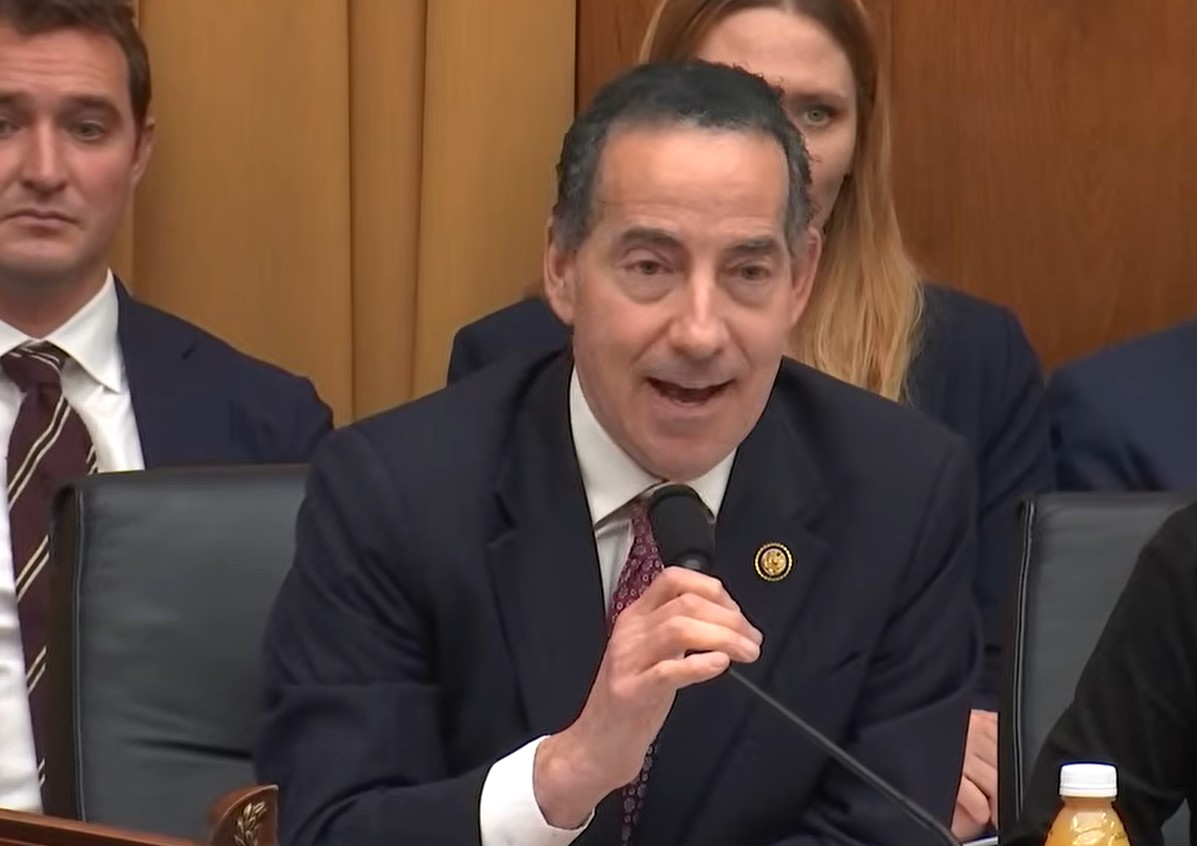
During a recent House Judiciary Committee hearing, Representative Jamie Raskin, a Democrat from Maryland, publicly defended the Southern Poverty Law Center (SPLC) amid ongoing allegations of fraud. Raskin emphasized that, to his knowledge, no donors have come forward claiming they were defrauded by the organization. He argued that donors continue to support the SPLC because they believe in its mission and effectiveness, despite the controversy surrounding its practices and recent legal scrutiny.
The Southern Poverty Law Center, founded in 1971, has long been recognized as a prominent civil rights organization dedicated to monitoring and combating hate groups across the United States. Over the decades, it has built a reputation for tracking extremist groups and providing resources to counter hate and promote social justice. However, the SPLC has also faced criticism for its methods, particularly its practice of labeling certain groups as hate organizations, which some argue unfairly targets mainstream conservative entities.
The current allegations against the SPLC include claims that the organization misused donor funds to infiltrate and gather intelligence on groups it designates as hate groups. This has led to accusations that the SPLC's tactics may have contributed to political violence and misinformation. Critics point to events such as the 2017 'Unite the Right' rally in Charlottesville, Virginia, where individuals allegedly funded by the SPLC were involved in organizing the event that culminated in violent clashes and a fatality.
Tony Perkins, president of the Family Research Council (FRC), testified during the hearing about the tangible impacts of the SPLC's labeling practices. He described how the SPLC's intelligence efforts influenced financial institutions and technology companies to de-platform conservative groups, creating significant operational challenges. Perkins also highlighted a 2012 incident in which a gunman targeted the FRC, motivated by the SPLC's 'hate map,' resulting in millions of dollars in security costs and underscoring the real-world consequences of the SPLC's classifications.
What's at stake
Supporters of the SPLC, including Raskin and other civil rights advocates like Maya Wiley, president and CEO of the Leadership Conference on Civil and Human Rights, argue that the organization plays a crucial role in combating hate and extremism. Wiley noted that donors continue to support the SPLC and are even increasing their contributions, suggesting confidence in the organization's mission despite the allegations. This divide between critics and supporters highlights the complex and contentious nature of the SPLC's role in American political and social discourse.
The SPLC's labeling practices have sparked broader debates about free speech and the boundaries of political activism. Critics contend that equating mainstream conservative groups with extremist organizations can chill free expression and distort public understanding of political ideologies. Meanwhile, the SPLC maintains that its work provides an important barometer of hate and extremism in the country, offering valuable information for policymakers, law enforcement, and the public.
The stakes of this debate are significant, affecting not only the SPLC and its donors but also the organizations it targets and the broader political environment. The controversy touches on issues of accountability, transparency, and the balance between combating hate and preserving civil liberties. It also raises questions about how nonprofit organizations operate and the responsibilities they have toward their supporters and the public.
Looking ahead, the SPLC faces ongoing legal challenges and public scrutiny that could impact its funding and influence. The House Judiciary Committee's hearing and the federal fraud indictment underscore the seriousness of the allegations. Observers will be watching to see whether the SPLC can maintain donor confidence and continue its work amid these challenges. The outcome may also influence how similar organizations are regulated and perceived in the future.
What happens next will likely depend on the results of legal proceedings and the SPLC's responses to criticism. Donor reactions, potential reforms within the organization, and further congressional oversight could shape the SPLC's trajectory. Additionally, the broader conversation about political labeling, free speech, and combating extremism will continue to evolve, with implications for American political discourse and civil rights advocacy.
Why it matters
Jamie Raskin defended the SPLC, emphasizing donor satisfaction despite fraud allegations. The SPLC is a key player in monitoring hate groups but faces criticism for its labeling methods. Allegations include misuse of funds to infiltrate groups and influence political events.
The SPLC's classifications have real-world impacts, including security risks for targeted groups. Supporters argue the SPLC's work is vital for combating hate and extremism in the U.S. Critics warn that the SPLC's practices may chill free speech and distort political discourse.
The outcome of legal and political scrutiny will affect the SPLC's future and broader civil rights efforts.
Key facts & context
Rep. Jamie Raskin stated no donors have reported being defrauded by the SPLC. The SPLC was founded in 1971 and focuses on tracking hate groups in the U.S. The organization faces a federal fraud indictment related to funding undercover informants.
The SPLC has been accused of involvement with individuals linked to the 2017 Charlottesville rally. Tony Perkins testified that the SPLC influenced banks and tech companies to de-platform conservative groups. A 2012 attack on the Family Research Council was linked to the SPLC's 'hate map,' causing $6 million in security costs.
Maya Wiley, a civil rights leader, stated donors continue to support and increase funding for the SPLC. Critics argue the SPLC's labeling unfairly categorizes mainstream conservative groups as extremist. The SPLC's role in political discourse remains controversial amid ongoing legal and public scrutiny.
The House Judiciary Committee recently held a hearing addressing the SPLC's alleged misconduct.
Timeline & key developments
2026-05-21: Raskin Defends SPLC Amid Fraud Allegations, Citing Donor Support. Additional reporting on this topic is available in our broader archive and will continue to shape this timeline as new developments emerge.
Primary sources
Further reading & references
- (Additional background links will appear here as we cover this topic.)
Related posts
- Southern Poverty Law Center Indicted for Fraud, Targeted The Federalist in 2017
- Democrats Maintain Support for Virginia Attorney General Candidate Amid Controversial Texts
- Democrats Face Criticism Over Allegations of Anti-Americanism
- Vance Criticizes Democrats and Media for Political Violence
- Jimmy Kimmel Faces Criticism for Silence on Dallas ICE Shooting
- Investigation Continues into Charlie Kirk's Assassination Amid Political Tensions