TLT Explains
Ongoing Iran Conflict Raises Questions About the Future of Trumpism and Its Political Influence
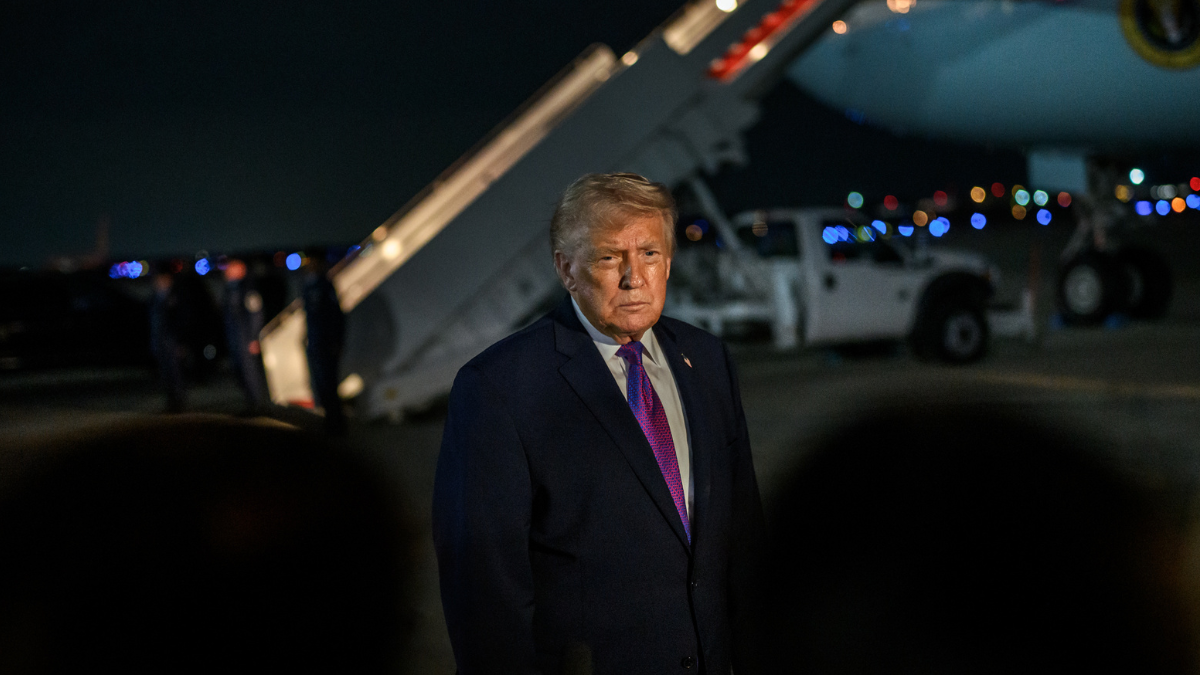
What's happening
The ongoing conflict in Iran is prompting renewed debate about the future of Trumpism and the coalition of supporters that have defined the movement. Analysts suggest that a prolonged military engagement in the region could weaken the base of loyal followers who have been central to the movement's strength. This situation has sparked concerns that dissatisfaction with the war could lead to shifts in political loyalties among those who supported former President Donald Trump during his time in office. The uncertainty surrounding the conflict's trajectory has intensified discussions about the sustainability and relevance of Trumpism in American politics.
Trumpism, characterized by its populist rhetoric and nationalist policies, has maintained a strong following since Donald Trump’s presidency. However, the movement faces internal challenges, including divisions among its supporters and questions about its leadership succession. Many observers argue that without a clear alternative or emerging leader to succeed Trump, the movement may struggle to maintain its influence in the political arena. This debate has gained momentum following an editorial in The Spectator, which claims that Trumpism is in decline and highlights fractures within the coalition of independents and former Democrats who once supported Trump.
Christopher Caldwell, a contributing writer for The Spectator, analyzes the movement’s current state and suggests that while Trumpism appears to be faltering, there is no clear rising political force poised to replace it. Caldwell’s argument underscores the need for a competing ideology or leader to emerge if Trumpism is to be considered truly in decline. Without such an alternative, the movement could face ongoing challenges in maintaining its relevance and cohesion. This perspective highlights the broader question of what political model might fill the vacuum if Trumpism’s influence diminishes.
The stakes of the ongoing military engagement in Iran are significant for Trumpism. Caldwell warns that if the conflict drags on without a decisive resolution, it could lead to disappointment and disillusionment among Trump’s supporters. He notes, "If the war in Iran goes on too long, and if it doesn’t end with clear success on military and political terms, MAGA will be hurt." This reflects a broader concern that prolonged military conflicts can erode public support for political movements that emphasize national security and assertive foreign policies. The outcome of the Iran conflict could therefore have direct implications for the movement’s future strength.
If the war in Iran goes on too long, and if it doesn’t end with clear success on military and political terms, MAGA will be hurt.
What's at stake
Beyond the external pressures from the Iran conflict, Trumpism also contends with internal divisions and messaging challenges. Supporters have yet to publicly address the criticisms regarding the movement’s direction and resilience, leaving questions about its adaptability unanswered. Meanwhile, the broader political environment includes reflections on leadership styles and policy decisions in other parts of the world. For example, German Chancellor Friedrich Merz recently acknowledged the negative consequences of Germany’s nuclear energy phase-out, calling it a "serious strategic mistake" that has contributed to energy scarcity and higher costs. Similarly, former Chancellor Angela Merkel’s immigration policies have come under scrutiny, with some critics viewing these European leadership challenges as cautionary examples for American voters considering alternatives to Trumpism.
The discussion about Trumpism’s future also involves the search for viable political alternatives. Caldwell challenges readers to consider what rising political model could supplant Trumpism, dismissing potential successors such as Amy Klobuchar and Kamala Harris as lacking sufficient appeal or momentum. This absence of a compelling alternative raises concerns about the future direction of American politics and whether new leadership or ideologies will emerge to address the country’s divisions. The ongoing Iran war and internal challenges within Trumpism contribute to an uncertain political landscape where existing tensions may persist without clear resolution.
As the situation in Iran continues to evolve, so too will the debates about Trumpism’s place in American politics. The conflict may serve as a pivotal moment for the movement, influencing both its supporters and critics. If the war concludes with a clear outcome, it could either bolster or weaken the movement’s standing depending on the perceived success or failure of the military engagement. Conversely, a prolonged or inconclusive conflict risks deepening dissatisfaction and fracturing the coalition that Trumpism relies upon. Observers will be watching closely how these dynamics unfold in the coming months.
Looking ahead, the key factors to monitor include the duration and resolution of the Iran conflict, the emergence of new political leaders or movements that could challenge Trumpism, and the movement’s ability to unify its base amid external and internal pressures. Congressional actions and public opinion will also play critical roles in shaping the political environment. The next year could prove decisive in determining whether Trumpism adapts and endures or declines without a clear successor. These developments will have lasting implications for the broader trajectory of U.S. politics and governance.
Why it matters
Prolonged military conflict in Iran could erode support for Trumpism among its core followers. Without a clear successor or alternative ideology, Trumpism may struggle to maintain political influence. Internal divisions and messaging challenges within the movement raise questions about its cohesion.
Leadership critiques from Europe highlight the importance of policy decisions in shaping political fortunes. The absence of a compelling political alternative increases uncertainty about the future of American politics. The outcome of the Iran conflict may serve as a turning point for Trumpism’s relevance and support.
Public dissatisfaction with ongoing conflicts could shift political loyalties away from Trumpism.
Key facts & context
The ongoing conflict in Iran is raising significant questions about the future of Trumpism and its coalition of supporters. Analysts suggest that prolonged military engagement could weaken the movement, which has been characterized by a strong base of loyal followers. Christopher Caldwell, writing for The Spectator, argues that Trumpism is in decline but no clear replacement political force has emerged.
Caldwell warns that a prolonged Iran war without clear success could harm the MAGA movement. German Chancellor Friedrich Merz has called Germany’s nuclear energy phase-out a "serious strategic mistake" leading to energy scarcity and higher costs. Former Chancellor Angela Merkel’s immigration policies have been criticized and are viewed as cautionary examples for American voters.
Potential political successors like Amy Klobuchar and Kamala Harris are seen as lacking a compelling alternative to Trumpism. The coalition of independents and former Democrats that supported Trump is reportedly fracturing. Supporters of Trumpism have not publicly responded to recent criticisms about the movement’s future.
The Iran conflict’s trajectory and resolution remain uncertain, influencing political debates in the U.S. The Spectator editorial and analysis have intensified discussions about Trumpism’s viability amid ongoing geopolitical tensions.
Timeline & key developments
2026-03-19: Debate Over Trumpism's Future Amid Ongoing Iran Conflict. Additional reporting on this topic is available in our broader archive and will continue to shape this timeline as new developments emerge.
Primary sources
Further reading & references
- (Additional background links will appear here as we cover this topic.)