TLT Explains
D.C. Bar Elects Joshua Mogil as President Amid Legal and Political Challenges
What's happening
On June 8, the District of Columbia Bar elected Joshua Mogil as its new president, marking a significant moment amid ongoing legal disputes and political scrutiny within the legal community. Mogil, a senior associate at the prominent law firm WilmerHale, is known for his involvement in high-profile legal actions against the Trump Administration, including a lawsuit that successfully challenged the constitutionality of one of the administration’s executive orders. His election comes at a time when the legal profession, especially in Washington, D.C., is under intense examination for its perceived political biases and the role it plays in broader national conflicts.
The legal profession in the nation’s capital has long been viewed through a partisan lens, with critics arguing that political affiliations heavily influence legal proceedings and disciplinary actions. This perception has been fueled by recent disciplinary efforts targeting lawyers linked to the Trump Administration, such as John Eastman, who faces disbarment proceedings in California. Mogil’s campaign for the D.C. Bar presidency emphasized the importance of defending the rule of law against what he described as "unprecedented attacks" on the legal system, signaling his commitment to uphold legal standards amid these contentious dynamics.
Mogil’s background includes extensive experience within the Department of Justice during the Obama and Biden administrations, where he served as Deputy Chief of Staff to Deputy Attorney General Lisa Monaco. His professional associations with figures like Sally Yates, who was dismissed by President Trump for refusing to defend the travel ban, further highlight the partisan divides that have become a focal point within the legal community. These divisions raise questions about the impartiality of legal institutions and their ability to administer justice fairly in a politically charged environment.
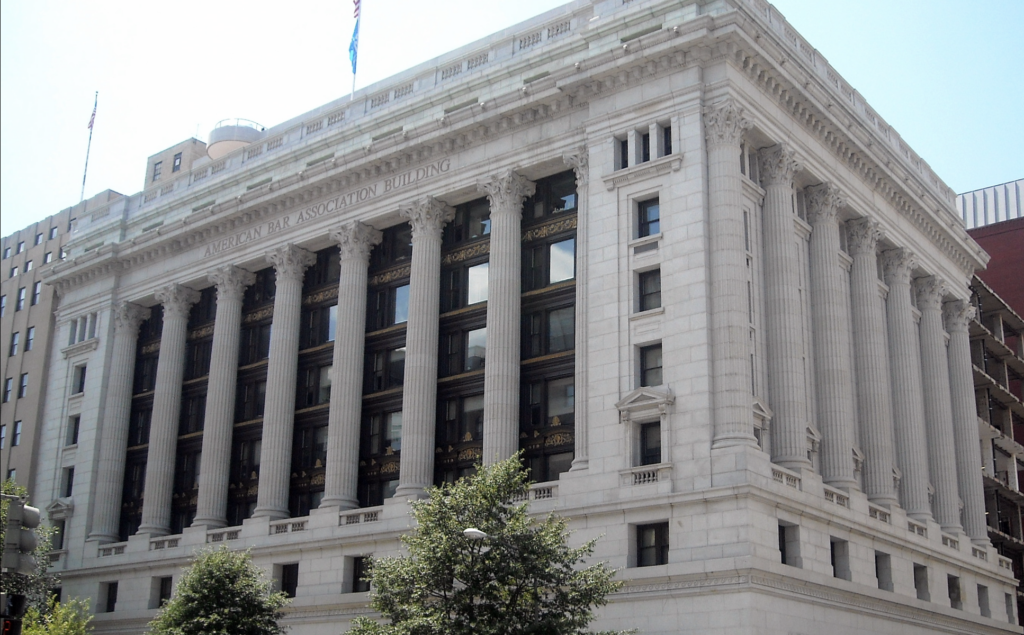
The American Bar Association (ABA) plays a central role in this landscape as the sole federally recognized accreditor of law schools in the United States. For years, the ABA mandated that law schools demonstrate a commitment to diversity and inclusion in their admissions processes, reflecting broader societal efforts to promote equity within the legal profession. However, in May 2026, the ABA suspended this diversity mandate amid shifting political pressures, a move that has sparked debate about the future of diversity initiatives in legal education and the potential impact on the profession’s composition.
What's at stake
In parallel with these accreditation debates, the Department of Justice recently filed a lawsuit against the District of Columbia’s Board on Professional Responsibility, which had recommended the disbarment of Jeff Clark, a former senior DOJ official. Clark came under scrutiny for drafting a controversial letter in 2020 that was never sent. This lawsuit is part of a wider conflict involving disciplinary actions against lawyers connected to the Trump Administration, including efforts by the 65 Project, which seeks to file bar complaints against attorneys associated with the Trump campaign. Supporters argue these actions hold lawyers accountable, while critics view them as attempts to intimidate and silence dissent within the legal profession.
The political leanings of the legal profession have also drawn attention due to the disproportionate support for Democratic candidates by major law firms, reportedly by a ratio of 12 to 1. This imbalance fuels concerns about the fairness of judicial appointments and regulatory decisions, as well as the potential for partisan influence over legal practice and bar admissions. Critics contend that the same legal institutions pursuing disciplinary measures against politically affiliated lawyers also control the pathways to legal practice, raising questions about neutrality and justice.
Looking ahead, the current administration is considering reforms aimed at dismantling the ABA’s exclusive control over law school accreditation. Proposals include allowing competing accrediting bodies and decoupling bar admission from graduation from ABA-accredited schools. These changes seek to address perceived partisan biases within state bars and promote a more equitable legal system. However, opponents warn that such reforms could undermine the quality and consistency of legal education, creating new challenges for the profession.
As Joshua Mogil assumes leadership of the D.C. Bar, the organization faces the complex task of navigating these legal and political challenges while maintaining public trust in the justice system. The ongoing disputes over accreditation standards, disciplinary actions, and political influence underscore the broader tensions shaping the future of the legal profession. Observers will be closely watching how Mogil’s presidency addresses these issues and whether it can foster greater balance and integrity within the legal community.
In the coming months, key developments to watch include the progress of the DOJ’s lawsuit against the D.C. disciplinary board, the response of the ABA to calls for reform, and the outcomes of disciplinary proceedings against lawyers linked to the Trump Administration. These events will have significant implications for legal education, professional accountability, and the perceived impartiality of the legal system. Mogil’s leadership will be critical in shaping the D.C. Bar’s role amid these evolving challenges.
Why it matters
Joshua Mogil’s election signals a commitment to defending the rule of law amid political and legal challenges. The D.C. Bar faces pressure to address concerns about partisan influence within the legal profession. Disciplinary actions against lawyers linked to the Trump Administration highlight tensions over legal accountability.
Changes to ABA accreditation standards reflect broader debates about diversity and fairness in legal education. Reforms to bar admissions and accreditation could reshape the legal profession’s structure and oversight. The political imbalance in legal contributions raises questions about judicial impartiality and fairness.
The outcome of ongoing lawsuits and disciplinary cases will influence the future integrity of the legal system.
Key facts & context
Joshua Mogil was elected president of the D.C. Bar on June 8, 2026. Mogil is a senior associate at WilmerHale and has a background in the DOJ under Obama and Biden administrations. He played a key role in a lawsuit that declared a Trump Administration executive order unconstitutional.
The D.C. Bar is currently involved in legal battles related to disciplinary actions against former Trump officials. The American Bar Association is the sole federally recognized accreditor of U.S. law schools. In May 2026, the ABA suspended its diversity and inclusion mandate for law school admissions.
The DOJ filed a lawsuit against the D.C. Board on Professional Responsibility regarding the disbarment recommendation for Jeff Clark. The 65 Project seeks to file bar complaints against lawyers associated with the Trump campaign. Political contributions from major law firms favor Democrats by a ratio of approximately 12 to 1.
Proposals are underway to allow competing law school accreditors and decouple bar admission from ABA accreditation. John Eastman, a lawyer linked to the Trump Administration, is facing disbarment proceedings in California. Sally Yates, associated with Mogil, was dismissed by President Trump for refusing to defend the travel ban.
Timeline & key developments
2026-06-12: D.C. Bar Elects New President Amid Ongoing Legal Battles. Additional reporting on this topic is available in our broader archive and will continue to shape this timeline as new developments emerge.
Primary sources
Further reading & references
- (Additional background links will appear here as we cover this topic.)
Related posts
- Southern Poverty Law Center Indicted for Fraud Amid Allegations of Paying Extremist Informants
- Federal Government Faces Growing Fraud Crisis Amid New Enforcement Efforts
- Acting Attorney General Todd Blanche Addresses Calls for Accountability Amid DOJ Political Weaponization Claims
- Trump DOJ Seeks Court Pause on Lawsuits Challenging FDA Approval of Abortion Pill Mifepristone
- Florida Ends American Bar Association's Grip On Law Schools
- Trump Dismisses Attorney General Pam Bondi Amid Frustrations Over DOJ Performance