TLT Explains
California Bill Sparks Debate Over Investigative Journalism and Immigration Reporting
What's happening
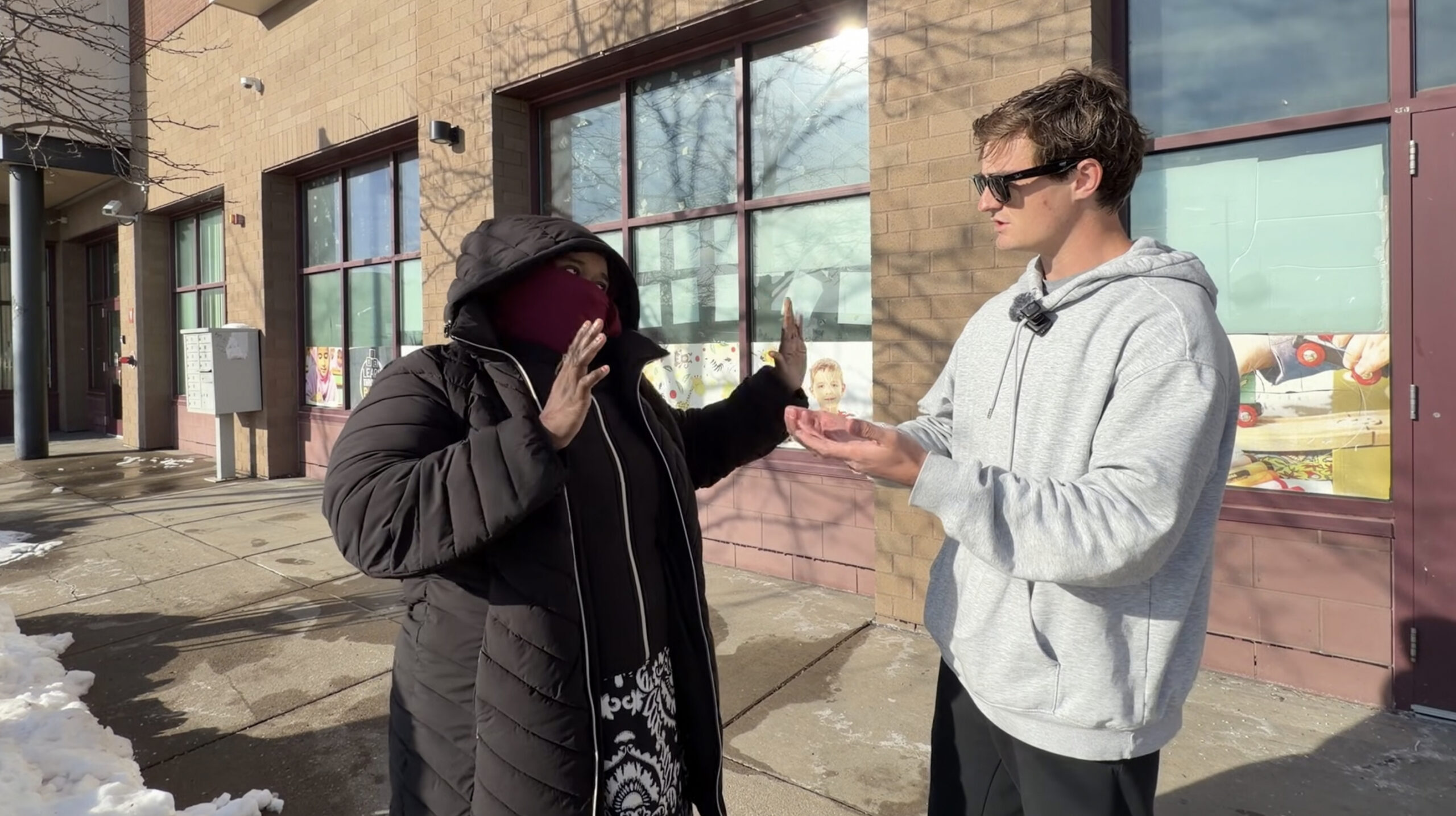
California lawmakers are currently advancing a controversial piece of legislation known as the "Stop Nick Shirley Act," formally designated as AB 2624. This bill has generated significant debate due to concerns that it could criminalize certain investigative journalism practices, especially those related to immigration issues. The legislation aims to protect individuals involved in immigrant support services from harassment and intimidation, but critics argue it may infringe on free speech and press freedoms. As the bill moves through the legislative process, it has become a focal point for discussions about the balance between protecting vulnerable communities and preserving journalistic integrity.
The origins of the bill trace back to growing tensions over media coverage of immigration and the activities of non-governmental organizations (NGOs) that provide services to immigrants. Supporters of the bill contend that some journalists and media figures, notably conservative commentators like Nick Shirley, have engaged in aggressive reporting that borders on harassment. They argue that AB 2624 is necessary to create a safer environment for those offering aid to immigrants, shielding them from threats and intimidation. However, opponents view the legislation as a targeted effort to silence dissenting voices and restrict investigative reporting that holds powerful entities accountable.
Assemblymember Mia Bonta introduced the bill, which has faced considerable backlash from press freedom advocates and various news organizations. Bonta, who is married to California Attorney General Rob Bonta, has not publicly addressed the criticisms surrounding the bill, leaving observers to speculate about the motivations behind the legislation. Critics argue that the bill’s provisions are deliberately vague and could be used to suppress journalistic inquiry into immigration-related topics. This has raised alarms about the potential chilling effect on the media’s ability to report on sensitive but important issues affecting the state’s immigrant population.
The bill’s language includes requirements for individuals providing immigrant services to register for a state program designed to protect their personal information. Critics highlight that the bill would criminalize the disclosure of such information only if it could be proven that the intent was to cause "imminent great bodily harm," a threshold they say is already covered under existing laws. This has led some legal experts and journalists to question the necessity and effectiveness of the new legislation. They argue that the bill may not address real threats but instead complicate legitimate journalistic activities, particularly investigative reporting that scrutinizes immigration policies and funding.
What's at stake
This legislative effort is not occurring in isolation. California has a history of introducing bills that critics claim restrict free speech, especially in contexts involving public criticism of government officials or policies. For example, a previous bill aimed at criminalizing harassment of school board members was vetoed by Governor Gavin Newsom, who noted that existing laws already sufficiently address threats and harassment. Comparisons have also been drawn between AB 2624 and SB 1100, a law that allows local legislative bodies to eject disruptive citizens from public meetings. However, enforcement of SB 1100 has been limited, and critics worry that AB 2624 could similarly be underutilized or misapplied, with broader consequences for public discourse.
Opponents of the bill, including senior correspondents like Chris Bray from The Federalist, have described the legislation as "performative outrage" lacking substantive legal grounding. Bray contends that the bill’s primary purpose is to send a message to conservative media figures rather than to enact meaningful legal protections. This perspective underscores a broader concern that the bill is part of a trend to suppress dissenting viewpoints in the media landscape. On the other hand, supporters emphasize the need to protect vulnerable individuals from harassment, arguing that the bill is a necessary step to ensure their safety and privacy in a politically charged environment.
The stakes of this debate are significant. If passed, the bill could reshape how journalists approach reporting on immigration and related social issues in California. It may also influence similar legislative efforts in other states grappling with the balance between protecting individuals and maintaining press freedoms. For immigrant communities and advocacy groups, the bill represents both a potential safeguard against harassment and a possible barrier to transparency. For journalists and free speech advocates, it raises urgent questions about the limits of government regulation on the media and the preservation of investigative reporting as a cornerstone of democracy.
Looking ahead, the California legislature is expected to continue intense discussions on AB 2624, with both supporters and critics preparing for further scrutiny as the bill advances. Key decision points will include committee hearings and potential amendments that could clarify or alter the bill’s provisions. Observers will be watching closely to see whether the legislation can address concerns about harassment without undermining journalistic freedom. The outcome could set a precedent for how states navigate the complex intersection of immigration policy, public safety, and media rights in the years to come.
As the debate unfolds, stakeholders from across the political spectrum will likely remain engaged, with advocacy groups, journalists, and policymakers weighing in on the bill’s implications. The broader national conversation on immigration and media freedom may also influence California’s approach. Ultimately, what happens next with the "Stop Nick Shirley Act" will be a critical test of how democratic societies balance the protection of vulnerable populations with the essential role of a free and independent press.
Why it matters
The bill seeks to protect immigrant service providers from harassment but may restrict journalistic inquiry. Critics argue existing laws already cover threats and harassment, making new legislation unnecessary. There is concern the bill could suppress conservative media voices and investigative reporting.
The legislation’s vague language raises fears of a chilling effect on free speech and press freedom. The outcome may influence how other states regulate media coverage of immigration issues.
Key facts & context
The legislation is formally known as AB 2624 and is nicknamed the "Stop Nick Shirley Act." Assemblymember Mia Bonta introduced the bill, which has sparked significant controversy. The bill requires immigrant service providers to register for a state program protecting their personal information.
Criminalization under the bill applies only if intent to cause "imminent great bodily harm" is proven. Governor Gavin Newsom vetoed a similar bill aimed at protecting school board members from harassment. SB 1100, a related law, allows local bodies to eject disruptive citizens but has seen limited enforcement.
Critics include news organizations and advocates for press freedom who warn of potential censorship. Supporters argue the bill is necessary to protect vulnerable individuals from threats and intimidation. The bill has drawn comparisons to prior legislation perceived as restricting public criticism.
The California legislature continues to debate the bill amid ongoing public and political scrutiny.
Timeline & key developments
2026-04-15: California Bill Aims to Restrict Investigative Journalism Amid Immigration Debate. Additional reporting on this topic is available in our broader archive and will continue to shape this timeline as new developments emerge.
Primary sources
Further reading & references
- (Additional background links will appear here as we cover this topic.)
Related posts
- Tennessee House Approves Revised Bill Allowing Schools to Request Proof of Legal Status Without Enforcement
- California Legislative Hearing Reveals Bipartisan Concerns Over Transgender Bills AB 1540 and AB 1876
- California's Vague 'Hate Speech' Bill Would Censor Conservatives
- California Legislature Discusses $26 Million Funding for Pediatric Transgender Care
- 'Gold-Standard' Immigration Bill Slows In Indiana Amid Redistricting