Dr. Oz, the Administrator at the Centers for Medicare and Medicaid Services (CMS), is advocating for reforms to address what he describes as widespread abuse of Medicaid funding through intergovernmental transfers (IGTs). During recent visits to Minnesota and California, he emphasized the need to combat schemes that he claims prioritize government-operated providers at the expense of patients and taxpayers.
Explainer Election Integrity and Voter Access in California: A Complex Landscape
The core issue centers on how states utilize IGTs to maximize federal funds, often leading to significant disparities in Medicaid payments for similar services. Critics argue that these practices not only waste taxpayer money but also compromise the quality of care for vulnerable populations.
Medicaid was established to assist America's most vulnerable individuals in accessing necessary health and long-term care services. The program is designed to share financing responsibilities between federal and state governments. However, states have reportedly exploited the open-ended matching structure of Medicaid, using complex payment schemes to funnel federal funds back to politically favored providers without contributing their own resources.
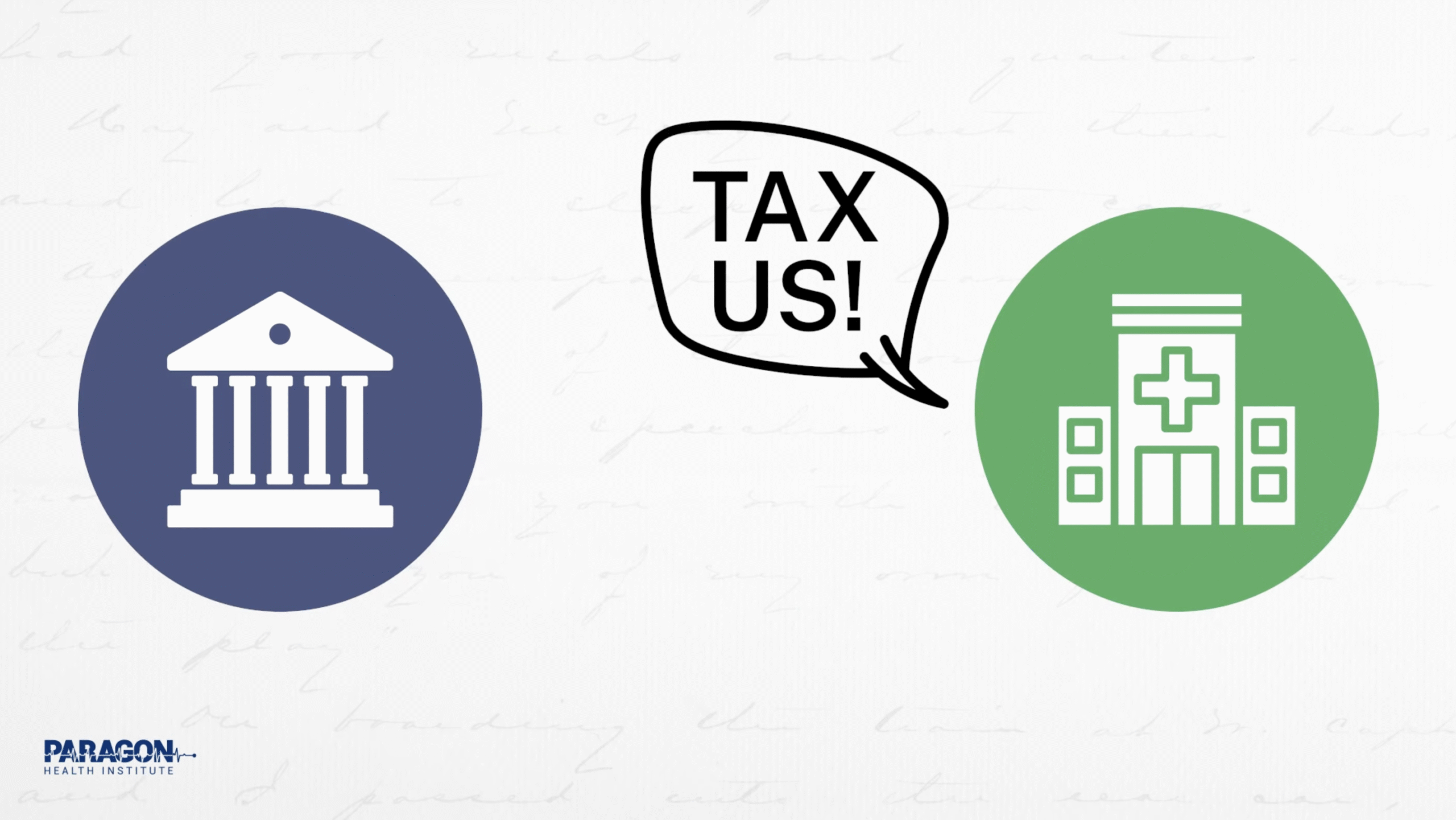
In one example, a state might impose a $1 million tax on hospitals, then return that same amount to the hospitals in the form of increased Medicaid payments. The state subsequently claims federal matching funds based on this expenditure, effectively generating a profit without any real financial commitment. According to Dr. Oz, this cycle of funding is not a legitimate sharing of costs but rather a manipulation of accounting practices that results in federal windfalls for states.
"Every president since George H.W. Bush has recognized the harms of Medicaid money laundering," Dr. Oz stated, highlighting the ongoing challenge of reforming these practices. While Congress and CMS have attempted to curb such schemes, states have consistently found ways to circumvent regulations, leading to ongoing financial abuses.
The Role of Intergovernmental Transfers
Originally intended to allow states to share legitimate Medicaid costs, IGTs have been repurposed by many states into mechanisms that inflate federal payments to government providers. For instance, states can create inflated Medicaid payments for government-owned facilities, such as county-operated nursing homes. These facilities can then transfer funds back to the states as IGTs, which are subsequently used to justify higher Medicaid payments, creating a circular flow of money.
This practice has led to stark funding disparities. In California, for example, public ambulance services reportedly receive payments three times higher than private services for identical Medicaid transport. Critics argue that such schemes prioritize maximizing federal dollars over delivering quality care to patients.
Indiana serves as a case study of how states exploit IGTs. What began as a financing strategy for one county's public hospital system evolved into a broader scheme where county-owned hospitals acquired private nursing homes, converting them into public facilities. This transformation allowed the state to significantly increase Medicaid payment rates, drawing down more federal matching funds. From 2000 to 2017, the percentage of publicly-owned nursing homes in Indiana surged from five percent to 95 percent, reflecting the state's reliance on IGT-funded payments.
Despite the influx of funds, this financial excess has not translated into improved patient care or facility conditions. A recent study indicated that these inflated payment arrangements coincided with a shift of patients into lower-quality nursing homes, resulting in worse health outcomes, including an estimated 50 additional resident deaths per year.
The Call for Reform
Supporters of the current Medicaid financing system argue that limiting IGT schemes could reduce access for enrollees or financially harm providers. However, critics contend that these arguments overlook the detrimental impact of existing schemes on patient care, suggesting that special interests are prioritized over the needs of vulnerable populations.
Dr. Oz noted that CMS already possesses the authority to halt IGT-funded schemes, as federal law mandates that Medicaid payment plans must be consistent with efficiency, economy, and quality of care. He emphasized that a payment structure that rewards public providers disproportionately for identical services is neither efficient nor economical.
"CMS should end states’ incentives to run IGT scams by enforcing payment parity for identical services," Dr. Oz concluded. He argued that such actions would address a significant source of cronyism and waste within Medicaid, ultimately benefiting patients and ensuring that taxpayer funds are used effectively.
As the debate continues, it remains to be seen whether CMS will take decisive action to reform IGT practices and restore integrity to Medicaid financing.
The Bottom Line
- Referenced surveys and datasets are best read as descriptive and correlational unless the underlying research clearly establishes causation.
- The story highlights how struggles over policy and power inside institutions end up shaping daily life for ordinary people.
- Understanding the timeline and key players helps readers evaluate competing claims and narratives around this issue.
- Upcoming negotiations over dates, dollar amounts, and program details will decide who bears the costs and who keeps or loses benefits.