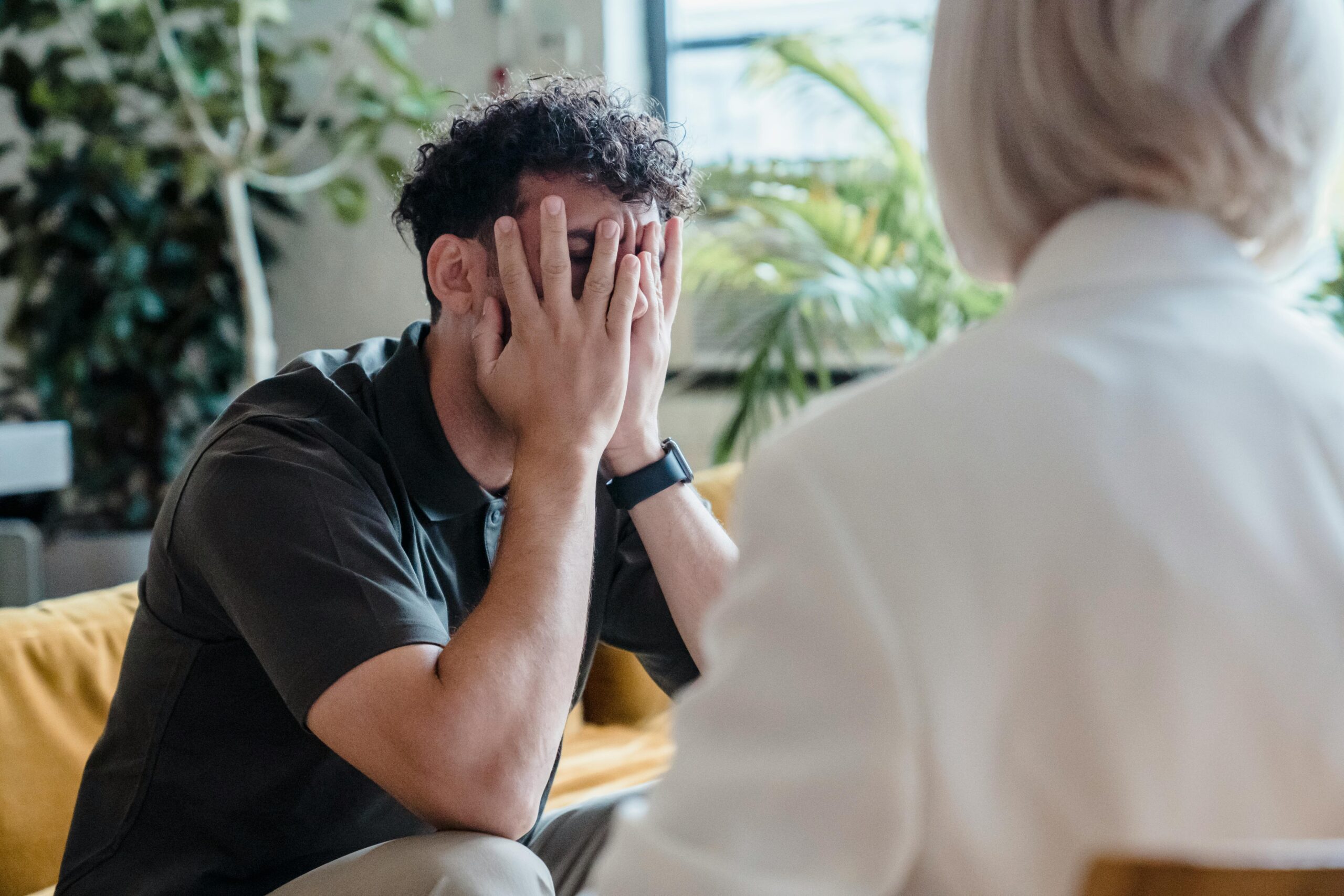
A recent trend shows a significant number of young women in the United States are relying on antidepressants and other psychiatric medications. According to the CDC's National Health Interview Survey, approximately one in four adult women reported taking at least one psychiatric medication in the past year. This trend has been particularly pronounced among college students, with around 17% of those aged 18-25 using such medications, a figure that is likely higher among female students.
Explainer Understanding the Transgender Discourse: Rights, Policies, and Challenges
The rise in medication use among women can be attributed to various cultural shifts, including the pervasive influence of social media. Jonathan Haidt, in his book "The Anxious Generation," notes a correlation between the increase in depression and anxiety among young girls and the mainstream adoption of smartphones and social media around 2008-2010. This period also saw a spike in self-harm incidents and emergency room visits, indicating a broader mental health crisis not confined to the U.S.
Social media platforms have contributed to a culture where reliance on medication is normalized. An article in The Wall Street Journal referred to SSRIs as a "hot lifestyle accessory," suggesting that they have become a status symbol among some women. This shift in perception raises concerns about the implications for mental health, particularly as women are encouraged to focus on their feelings, potentially leading to increased rumination and misery.
The ease of access to psychiatric medications through telehealth services has further exacerbated this trend. Companies like Hers have capitalized on the growing demand for mental health services, particularly during the COVID-19 pandemic. The convenience of online consultations and the marketing strategies employed by these companies have made it simpler for women to seek medical intervention for their mental health issues.
Despite the growing acceptance of psychiatric medication, research indicates that traditional life choices, such as marriage and family, are associated with higher life satisfaction. Studies show that unmarried women face significantly higher odds of experiencing disorders like depression and anxiety. Yet, the narrative promoted on social media often celebrates independence and self-sufficiency, sometimes at the expense of these traditional values.
The current landscape presents a paradox for young women, where societal pressures and unrealistic standards of beauty are amplified through digital platforms. Influencers often promote lifestyles that prioritize personal fulfillment through consumerism and self-care, while neglecting the importance of community and relationships. This shift can lead to feelings of isolation and loneliness, further compounding mental health issues.
As the prevalence of psychiatric medication continues to rise, it is essential to consider the broader societal implications. The normalization of medication as a solution to mental health struggles raises questions about the underlying causes of these issues. Critics argue that the focus on individual feelings, fueled by social media, detracts from the importance of civic engagement and selflessness, which have historically been linked to greater life satisfaction.
In conclusion, while the accessibility of mental health resources is crucial, the current trend of widespread medication use among women warrants careful examination. The interplay between social media, cultural narratives, and mental health is complex and requires a nuanced understanding. Until society addresses these underlying issues and reevaluates the narratives surrounding mental health, the epidemic of medicated misery among young women is likely to persist.
The Bottom Line
- Referenced datasets and surveys are correlational unless stated otherwise.
- One in four adult women in the U.S. reported using psychiatric medications, highlighting a growing mental health crisis.
- The trend is particularly pronounced among young women, with 17% of college students using such medications.
- Social media's influence is linked to increased anxiety and depression, normalizing medication use as a lifestyle choice.