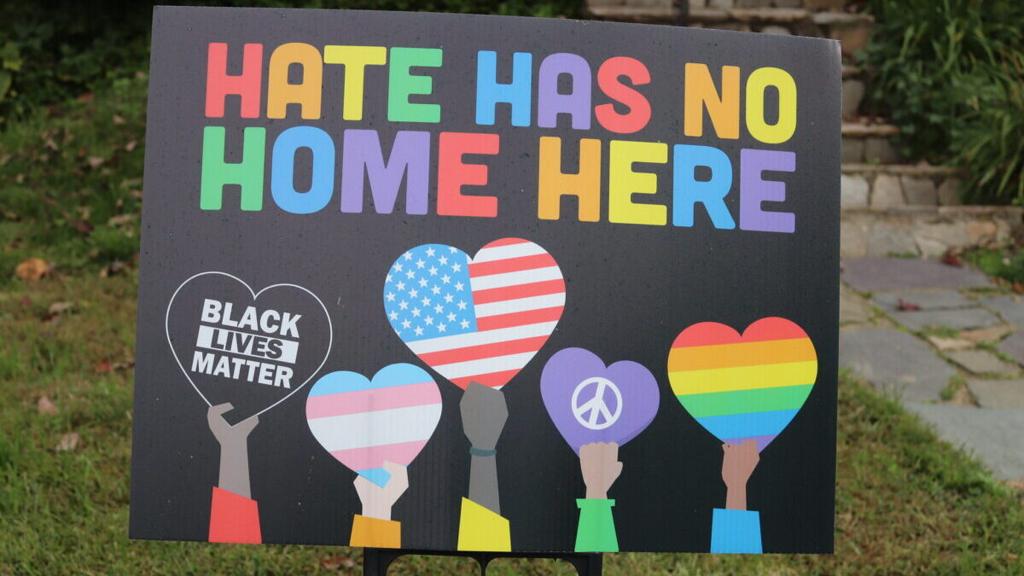
The recent murder of conservative activist Charlie Kirk has sparked a debate about the use of the term "hate" by some on the left to describe conservative viewpoints. Critics argue that labeling conservative beliefs as hateful serves to silence opposition and avoid substantive policy discussions.
Kirk's views on issues such as marriage, transgenderism, and immigration are considered mainstream among many conservatives. However, following his death, some media personalities and politicians have labeled him as "hateful," (Ar AA1Mmnqq — msn.com) suggesting that they view a significant portion of the American populace in a similar light.
This tactic of attacking character rather than ideas is not new. It is often easier to label someone as racist or sexist than to engage in a policy debate. Such accusations can create emotional responses and unite supporters against a perceived enemy, effectively silencing dissent.
Polling indicates that a majority of liberals consider certain conservative statements, such as those regarding transgender identities or immigration, to be hateful. For example, over half of liberals believe it is hateful to assert that transgender individuals have a mental disorder, while nearly half view the characterization of homosexuality as a sin in the same light.
Conservatives argue that their beliefs are rooted in reason, science, and religious principles rather than hate. They contend that opposing transgenderism does not equate to hating transgender individuals, and that advocating for traditional marriage is not an act of hatred but a reflection of their values.
The Republican Party, founded in the 1850s as an anti-slavery party, also faces accusations of racism. Conservatives assert that their policies are designed to help all individuals, regardless of race, achieve prosperity through education and job opportunities. They argue that the left's policies often hinder educational outcomes and economic mobility.
On issues of immigration, conservatives advocate for addressing root causes rather than allowing unrestricted immigration. They believe that a responsible foreign policy can help alleviate issues in other countries, thereby reducing the need for immigration to the U.S.
Conservative views on abortion are similarly framed as being based on scientific reasoning. They argue that an unborn child is a separate entity with its own rights, and that laws should protect the most vulnerable.
As the political landscape continues to evolve, the discourse surrounding these issues remains contentious. Conservatives maintain that their beliefs are not rooted in hate but rather in a commitment to their values and principles.
Eleanor Bartow, features editor at The Federalist, has previously worked with various media outlets and holds a Fulbright grant in journalism. Follow her on Twitter at @elliebartow.